Bangladesh's fiscal year 2024–25 witnessed a notable expansion in vegetable exports, tripling their volume compared to previous years. This resurgence stems from a relatively stable domestic market, in contrast to earlier periods marked by volatility and inflated prices that deterred exporters from engaging in international trade.
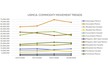
Data from the Plant Quarantine Centre at Chattogram Seaport documents a substantial rise in exports, achieving 58,766 tons in FY25, signifying a 313% increase year-on-year. Potatoes constituted the primary export at 40,543 tons, complemented by 16,959 tons of fresh vegetables and 1,264 tons of frozen goods.
In comparison, FY24 had just 14,202 tons of exports, predominantly potatoes at 11,127 tons, along with 1,669 tons of fresh vegetables and 1,406 tons of frozen products. The preceding fiscal year, FY23, recorded exports of 33,923 tons, led again by potatoes at 29,560 tons. FY22 saw the volume maximized at 60,634 tons, driven by 53,024 tons of potatoes.
The positive shift in exports follows challenges presented by natural disasters, domestic price surges, and heightened freight costs, which previously pressured exporters to retreat. Current growth is attributed to enhanced price stability under the interim government, emphasizing market regulation.
Deputy Director Mohammad Shah Alam of the Plant Quarantine Centre stated, "The volume of potato exports has increased significantly this year." He highlighted potato exports to Nepal via land ports like Banglabandha, traditionally dominated by Indian exporters.
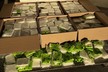
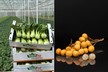
Export diversification efforts noted successful trials with taro and cabbage. "Cabbage exports rose sharply this year," according to Alam. Additionally, fresh vegetables, traditionally air-freighted, are now shipped in refrigerated sea containers.
Bangladesh finds export markets primarily within Malaysia, the UAE, Singapore, Sri Lanka, Saudi Arabia, and other Middle Eastern regions, catering to expatriate communities and South Asian culinary establishments.
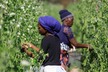
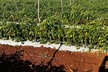
Potatoes lead the export lineup, followed by cabbage, sweet pumpkin, green chili, cauliflower, tomato, taro, beans, and other varieties. Export-quality crops are sourced from regions like Chittagong Hill Tracts, Jessore, and more.
Mahbub Rana of the Chattogram Fresh Fruits, Vegetables and Products Exporters' Group remarked on previous market instability hampering exports, observing a rectification in current operations. However, challenges remain, particularly in transport, with export costs from Bangladesh exceeding those from India.
Looking forward, as subsidies are predicted to diminish by 2026, prioritizing the export sector may unlock further growth potential.
Source: TBS News