Eosta, a Netherlands-based importer and marketer of organic fresh produce, has recorded a substantial reduction in its carbon emissions. According to an independent analysis, the company lowered its topline emissions by 60.7% between 2020 and 2023.
The corporate carbon footprint (CCP) assessment for the 2023 fiscal year was conducted in the fourth quarter of 2024 by ESG consultants from the Robin Food Coalition. The report found that Eosta's emissions in 2023 were up to 40% lower than those of another major Dutch fresh produce importer, despite differences in company size.
 © Eosta
The analysis measured emissions relative to turnover and per kilogram of product. Emissions per euro turnover declined by 36.2%, while emissions per kilogram of produce fell by 30.1%. On-farm emissions were reduced by 46.1%, packaging-related emissions dropped by 62.1%, and transportation-related emissions were down by 51.3%. The decline in transport emissions was partly attributed to the use of more sustainable fuels.
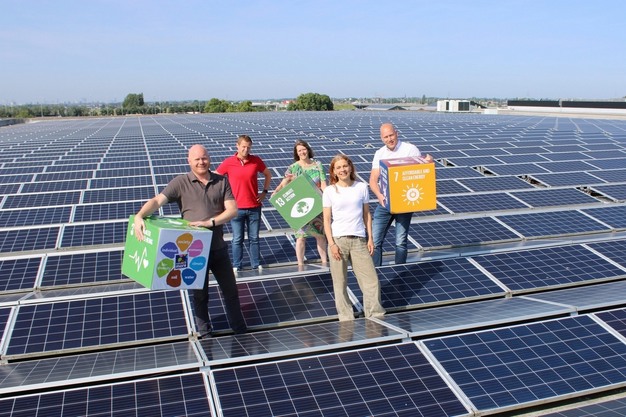
Scope 3 emissions—indirect emissions from the value chain—make up the majority (99.7%) of Eosta's carbon footprint. These were kept relatively low through measures such as adopting renewable energy sources and switching to an all-electric company vehicle fleet. Solar panels have also been installed on the company's main warehouse.
Dennis de Wit, Sourcing and Procurement Director, noted that future emission reduction efforts will be guided by a structured strategy developed in collaboration with the Robin Food Coalition. The aim is to align policies with global climate targets, including the 1.5°C pathway.
In addition to its internal footprint, Eosta has released comparative data on emissions from transporting organic citrus. The figures suggest that transporting citrus by sea from South Africa to the Netherlands results in lower emissions than trucking the same volume from Spain. According to Eosta's data, CO₂ emissions would have been 61% higher if all 2024 citrus volumes had been shipped overland from Spain instead of by sea from South Africa and Latin America.
South African citrus suppliers have also implemented energy-efficiency measures, including increased adoption of solar power. These investments have helped mitigate the effects of South Africa's unstable electricity grid and enabled some producers to feed excess green energy into the national system.
The report and supporting data contribute to a broader industry discussion on emissions in fresh produce supply chains and underline the potential role of logistics and energy sourcing in shaping environmental impact.
 © EostaFor more information:
Jeanine Somefun-Wolthuis
Eosta
Tel: +31 (0)180 63 55 00
Email: [email protected]
www.eosta.com