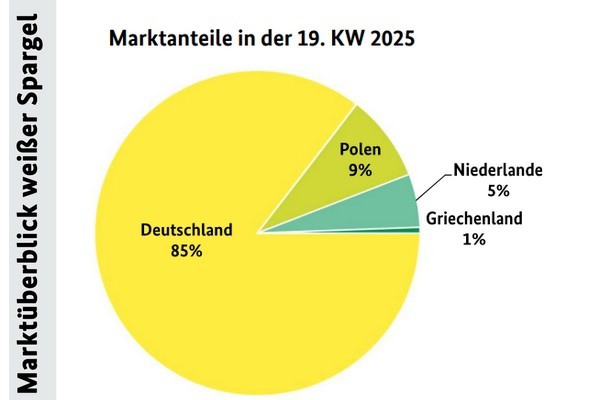
In addition to the dominant domestic supply, white asparagus was also available from the Netherlands, Poland, and Greece. The Netherlands also contributed to the marketing of purple asparagus. Availability continued to rise, with a particularly noticeable increase in the presence of domestic products. According to the BLE, the low temperatures had a negative impact on storage facilities. Combined with increased deliveries, price reductions at the beginning of the week were almost unavoidable. Top qualities remained rather scarce on the Munich market and found buyers quickly at previous prices; all other grades were very abundant and could mostly only be sold on price.
 © BLE
© BLE
From Thursday onwards, business took a turn in various ways: with friendlier weather, customers became more willing to buy. Mother's Day on Sunday intensified demand once again. Prices climbed back up in some areas. The picture was similar for green asparagus: the predominant domestic loads were flanked by Polish, Spanish, and Italian loads. Supply had also expanded in this sector. Prices developed as they did for white products: initially falling, but then rising again over the course of the week.
Click here for the full market and price report.
Apples
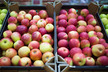
German offers continued to form the basis of the assortment, with Elstar, Jonagold, and Braeburn being the main varieties available. Italy primarily supplied Pink Lady, Granny Smith, and Golden Delicious. The overseas supply grew: Chilean Royal Gala and Elstar gained noticeably in importance, while New Zealand's Smitten and Royal Gala also expanded.
Pears
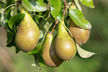
South African shipments clearly dominated the market, with Packham's Triumph and Abate Fetel leading the assortment. Cheeky and Rosemarie also continued to play a major role, but lost relevance in some places. The presence of Forelle, on the other hand, expanded noticeably, with the fruit now arriving in almost all markets.
Table grapes
The availability of Chilean supplies increased massively, displacing South African imports from first place. Crimson Seedless, in particular, gained significantly in importance, but Thompson Seedless also increased its relevance. South African loads, on the other hand, lost some of their importance.
Strawberries
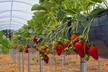
Domestic fruit clearly dominated and gained further momentum. Dutch supplies followed in terms of importance and also increased their presence. Deliveries from Italy, Greece, Belgium, Spain, and Poland were merely supplementary. Availability expanded significantly and clearly exceeded demand.
Lemons
Spanish Verna lemons clearly dominated. There were also very few deliveries from South Africa, Italy, Greece, and Portugal. Availability was rather limited, allowing traders to maintain their relatively high asking prices.
Bananas
Storage capacity was limited, and customers tended to focus on other types of produce. Traders responded by reducing their supply. Supply and demand were therefore mostly in balance. As a result, prices changed only rarely.
Cauliflower
Domestic and Belgian supplies played the leading role, followed by French and Spanish products. In addition, Italian and Dutch loads were available in some cases. Availability increased significantly. Customers focused on packs of six.
Lettuce
After the season for domestic and Dutch iceberg lettuce began in week 18 with very low volumes, availability expanded significantly in week 19. Deliveries gained massive influence and were available in almost all locations. Mixed lettuce came mainly from Germany. Belgian supplies supplemented the business in some areas.
Cucumbers
The range of cucumbers consisted exclusively of domestic, Dutch, and Belgian supplies. Availability had expanded and exceeded demand. This resulted in price reductions. In some places, the price reductions were a one-off on Monday, but in some markets, prices fell gradually.
Tomatoes
Belgian supplies dominated over Dutch ones. Availability increased noticeably, with Dutch loads in particular gaining ground. Demand was not always able to keep pace, which is why prices often showed a downward trend.
Sweet peppers
Dutch supplies clearly dominated the market, and their presence increased. Spanish offers lost market share, with Belgian supplies supplementing the market. Domestic loads were relatively expensive and, therefore, sometimes difficult to place. Although availability increased, prices tended to rise overall.
Source: BLE