The Kenyan government has introduced a proposal to eliminate excise duties on imported onions and potatoes through the Finance Bill, 2025. This policy aims to alleviate consumer costs and address regional trade conflicts. It seeks to repeal the 25% tax imposed in 2023, which has been attributed to rising food prices and tensions with neighboring countries. Initially implemented to protect local farmers, the levy resulted in price increases and heightened food insecurity for Kenyan households.
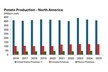
Potato prices increased from an average of $0.73 per kilo in early 2023 to $0.86 by March 2025. The tax led to retaliatory tariffs from Uganda and Tanzania on Kenyan agricultural exports, prompting diplomatic interventions by East African heads of state and finance ministers to ease tensions within the East African Community (EAC). The proposed tax removal is expected to offer relief to consumers facing high food costs.
The anticipated price reduction for onions and potatoes, primarily imported from Tanzania and Uganda, may relieve household budgets. However, concerns arise regarding the impact on local farmers who may face challenges competing with lower-cost imports. Policymakers must balance food affordability with the sustainability of Kenya's domestic agriculture.
Beyond domestic effects, the move holds broader economic and diplomatic implications. Easing trade restrictions is anticipated to improve relations with Uganda and Tanzania, both of which imposed retaliatory tariffs in response to the 2023 levy. Removing these barriers could enhance regional trade and economic collaboration within the EAC.
The proposed tax repeal aligns with earlier commitments made by former Treasury Cabinet Secretary Njuguna Ndung'u during negotiations with EAC finance ministers, where he pledged to review levies to mend strained trade relationships. The decision addresses calls from local businesses and regional exporters for more consistent and equitable cross-border trade policies.
Source: Mwakilishi