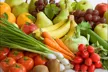
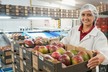
Brazil's fruit farming showcases its diversity, territorial identity and potential. Brazil, ranking third globally in fruit production, records significant advances in this sector. The Southeast region is a leader in fruit production, contributing 51% to the national total, while the Northeast region, despite accounting for 24% of production, leads in the field of technological innovations.
Oranges have the highest production value among Brazilian fruits, primarily used in the juice industry. Other significant fruits include banana, grapes, cocoa and mango. While the domestic market is the primary destination for these fruits, exports have also increased, driven by quality and competitiveness improvements. Approximately 40 types of fruits are exported, with mango, grapes, melon, lemon, apple, watermelon and papaya generating the majority of the revenue.
Embrapa's role in this sector is crucial, providing significant contributions towards research, development, and innovation (RD&I) to overcome scientific and technological challenges. Embrapa's contributions include the development of disease-resistant banana trees, citrus cultivars, and technologies applicable to organic fruit farming. Future vision includes sustainable intensification, decarbonization, automation, prioritization of biological inputs, clean and integrated technologies, product safety, and the use of big data and artificial intelligence.
Source: abrafrutas.org