The end of the harvest season is not slowing down the appetite for fresh fruit in any way. To ensure that Tobi can deliver crisp, juicy apples and pears all year round, controlled storage is crucial. But what is important, exactly?
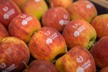
Tobi Seeobst AG manages around 200 storage cells, each with a capacity of 80 to 250 tons. The harvest was good this year and the warehouses are filled accordingly. Using the latest technology and a great deal of know-how, Tobi is putting the apples and pears into a kind of hibernation, thus preserving the Tobi bite.
Berries: A special case
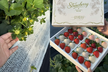
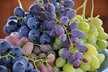
Berries are a classic seasonal product and have a limited shelf life when sold fresh. Strawberries and raspberries will last 3-4 days if they are quickly cooled to 4°C. Blueberries last 3-4 weeks and currants will keep for 2-3 months. Apples and pears, on the other hand, can be stored for up to 12 months.
Reduce respiration rate
The primary goal in the storage of ripe fruits is to keep the cell respiration rate low. The lower this rate, the less shrinkage or loss of moisture. This is the only way to keep apples and pears fresh and crisp throughout the winter. Each variety has its own specific demands on the atmospheric conditions. Humidity, temperature, and oxygen & CO2 content play a decisive role.
Rapid cooling
First, the fruits are cooled quickly. Gala apples, for example, are cooled to 1°C. This already means a certain amount of stress. For this reason, the fruits are then left to rest in the storage cell for one or two weeks before the controlled atmosphere is created.
Controlled atmosphere
Through natural cell respiration, fruit absorbs oxygen (O2) and releases CO2 and water. In a controlled atmosphere, the humidity is increased to up to 95% and the oxygen content is gradually reduced to a minimum, which significantly slows down cell respiration. Gala apples tolerate a reduction to as little as 1%, resulting in a CO2 content of 2-3%, while pears can even withstand minus temperatures of -1°C.
Dynamic storage
In Dynamic Controlled Atmosphere (DCA) storage, the oxygen reduction value is determined by measuring the chlorophyll fluorescence of the fruit, which allows for very accurate management. For Gala apples, the oxygen content can be reduced to 0.4%. Tobi partly works with dynamically controlled storage atmosphere, partly with conventional atmospheric conditions.
Avoiding hot pockets
In addition to the oxygen content, good air circulation is imperative as well. It prevents hot pockets developing within the storage units, so that the entire harvest will get through the winter well.
Weekly requirement
When a storage cell is opened, the controlled atmosphere is undone. The cells all just contain one variety, in quantities that correspond to the respective weekly requirements. That way, a new cell can be emptied for each variety, every week. Tobi leaves nothing to chance, and yet they are always delighted to see that the fruits have survived their hibernation well, to end up on the shelves of the wholesale and retail trade in the best quality.
For more information: www.tobi-fruechte.ch