The mango season in Peru is unfolding differently than usual this year. Supply has been irregular and lower than expected. In addition, the mangoes were often larger in size, whereas Peru typically supplies smaller varieties, and quality was sometimes below expectations. This is according to Joep Jongmans of Special Fruit. "The first three months of the year, from January to March, were clearly not a normal Peruvian mango season."
 © Special Fruit
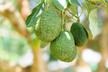
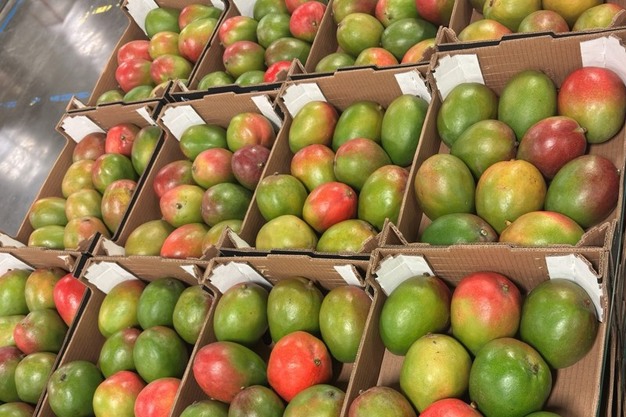
Kent mangoes from Peru
"The Peru season is not over yet," he continues. "Everyone expected little to come from the late Casma growing area, but some shipments were still sent, despite high price expectations from exporters. These volumes were still manageable for the market. It was not an especially strong market in the run-up to Easter. Sales were slow. Up until Sunday, the weather in Europe was cold and poor, but from Monday onwards, conditions turned almost spring- to summer-like. Even so, there have been few major sales promotions in recent weeks, as no large volumes were expected from Peru."
"As a result, additional mangoes from Brazil, both Keitt and Palmer varieties, were shipped. These had a strong first half of the season and fitted well alongside the Peruvian supply. Although the weather has now improved and temperatures are rising, this has not yet translated into significantly higher demand for mangoes. There is also a strong availability of strawberries at the moment, both imported and local, giving consumers plenty of choice. Mango sales are steady, but there are no major promotions."
 © Special Fruit
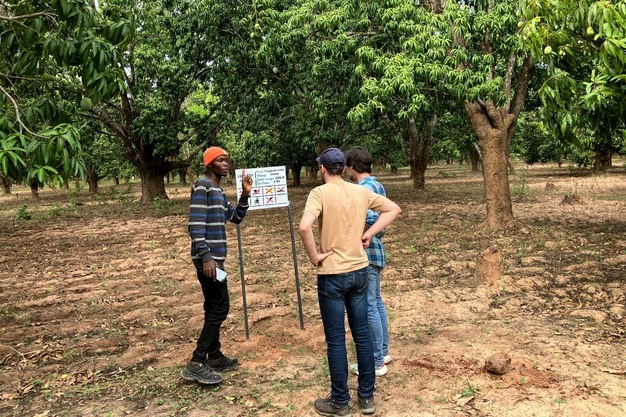
Visiting a supplier in Ivory Coast
Looking at Ivory Coast
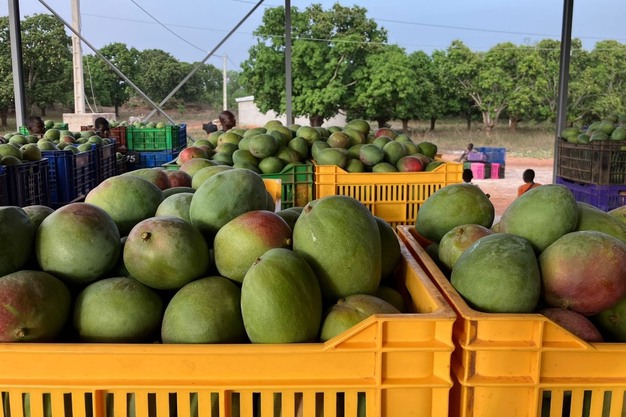
The industry is now turning its attention to the new season in the Ivory Coast, traditionally the third major supplier of mangoes to Europe after Peru and Brazil. "It looks set to be a good season, but it is starting slightly later than expected. The reason is the weather. Temperatures have not been particularly high, so the harvest is starting slowly and volumes are limited in the first weeks," Joep explains.
"In addition, logistical factors are playing a role. Higher fuel prices, increased sea freight costs, and longer container booking procedures are contributing to a later start to the season. The Ivory Coast season now begins at the end of April, with May traditionally being the main month for Ivory Coast mangoes. Overall, the outlook is positive, and we expect sufficient supply for the market."
 © Special Fruit
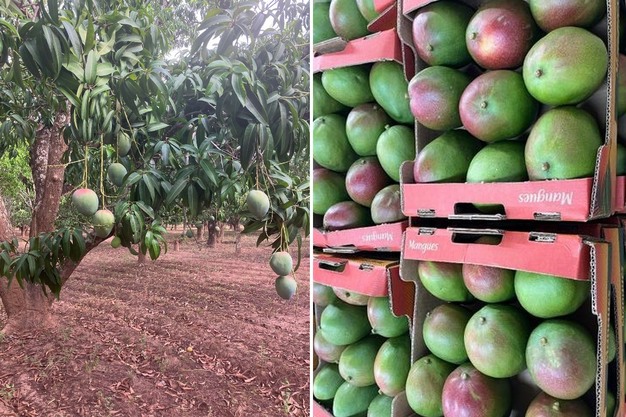
The first harvest of Kent mangoes in Côte d'Ivoire
Impact of unrest in Middle East limited
Regarding the recent unrest in the Middle East, Joep says it has no direct impact on the supply of mangoes from Peru, Brazil, or the Ivory Coast. "Shipments mainly come via the west coast of Africa or South America, so the impact is limited. However, sea freight and transport costs have increased, and new booking procedures may cause minor delays, but there are no major delivery issues. There were some problems with air freight for exotic fruits from the Middle and Far East a few weeks ago, but the situation has since improved."
Overall, the Ivory Coast mango season looks promising. "The market is gradually stabilising after an irregular Peru season, and we are looking ahead to the summer and the new Ivory Coast season with confidence."
 © Special Fruit
For more information:
Joep Jongmans
Special Fruit
Europastraat 36
2321 Meer, Belgium
Tel: +32 3 315 07 73
[email protected]
www.specialfruit.be