Diesel and fuel prices have risen by 34 to 39% in Zimbabwe, a "shocking" increase, says William Zirebwa of Takura, a grower-exporter of peas, fine beans, passion fruit and chillies with plans to include more vegetables and fruit, possibly in the future even importing fruit into Zimbabwe to ensure full truck loads on the return journey.
Negotiations around logistics are bound to be complicated this year. Zirebwa, who's been working in the fresh produce export industry since 2000 in Zimbabwe, Mozambique and Kenya, is no stranger to the process. "Our routes are very complex, because we make use of sea freight as well as air freight. Last season, we used road freight from Harare either to Durban or to Cape Town and then sea freight from the two ports. Air freight leaves from Harare sometimes via Johannesburg or Addis Ababa or via Nairobi or via Dubai, making use of different airlines."
It costs them less to load and ship directly to South Africa, he comments, because consolidating in Harare adds an extra 700km if the consignment is to be trucked from Harare to Johannesburg.
He continues: "This year, 2026, is the first year that we'll be directly exporting."
 © Takura
Peru is Zimbabwe's biggest pea rival
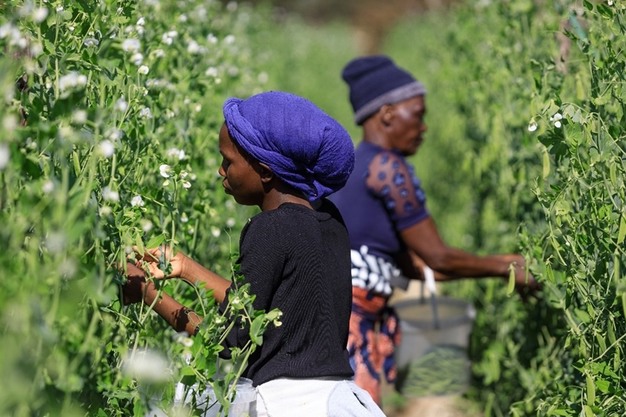
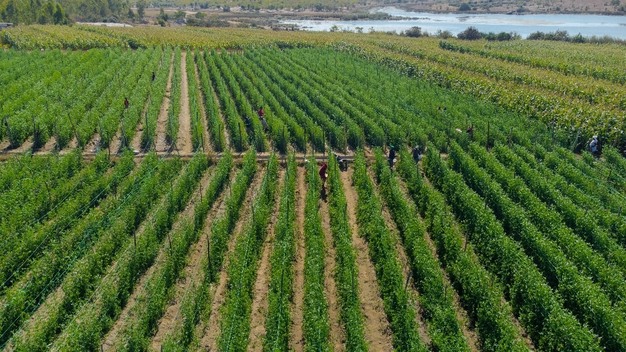
In three to four weeks, Takura will have export volumes of mangetout and sugarsnap peas: their crop (minimum 200 tonnes) is already sold out to clients in the UK, Germany, France and the Netherlands.
"All things being equal, we should have started harvesting by now, but because of the disruptions in the rain, the harvest is only starting now, running until around August and September. Zimbabwe is the first mover because of our climatic conditions, followed by Kenya and Peru, which come in a bit later, although Peru can manage a year-round supply. Zimbabwe has always been better when it comes to peas, but Kenya is better when it comes to beans," he remarks. "In terms of cost of production, in terms of yield per hectare, we are more competitive when it comes to peas than Kenya. But when it comes to Peru, we are neck to neck, and Peru is our biggest rival when it comes to pea production. When Peru kicks in significantly, prices go down significantly. But we know this year they are affected by floods."
No one in Africa grows fine beans as well as Kenya does, he observes. Zirebwa was stationed there for a year, firsthand witnessing the amount of research and development into fine beans and the array of cultivars grown. "It's a crop into which Kenyan growers really put a lot of effort, doing it in high volumes."
 © Takura
Passionfruit potential
Zimbabwe has long been a source of high-quality passionfruit, and Takura's growers have the first few hectares in the ground, to be followed by more vines.
"We managed to secure buyers through Fruit Attraction and Fruit Logistica for our passionfruit. For our fresh chillies, we have European buyers. We also have South African buyers, especially for the Nando's group [South African restaurant]."
By next summer, they plan to include gooseberries, sweet corn and baby corn in their offering, as well as an expansion in the amount of chillies available.
Takura's complement of over 200 growers, performing in unison as various irrigation schemes, is at the moment all clustered in Zimbabwe's Midlands Province.
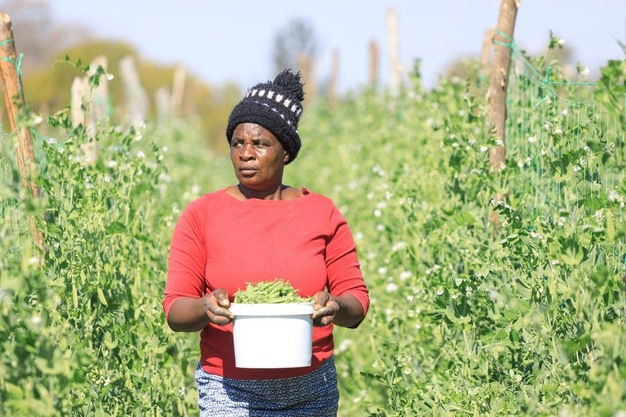 © TakuraThe mangetout and sugarsnap pea season was slightly delayed by rain this year
"Our strategy is quite different from other exporters"
Takura is owned by the Takura Trust (funded by Valterra Platinum, formerly Anglo American Platinum), whose main mandate is to improve the livelihoods of the 200-strong number of Takura farmers in communal areas. Takura carries the full weight of inputs and certification in exchange for a marketable crop.
Takura aims to reach out to over a thousand farmers within the next five years because, he says, there is big room for expansion. To date, they have created 1,600 jobs and expect a doubling by 2031.
"Our strategy is quite different from other exporters because we look at how we can improve the livelihoods of communities. It's not just about business and profitability, although it's important, but for us, the main essence of the business is to make sure we work with farmers who are able to have improved livelihoods from production activities, and Takura is able to stimulate upstream production."
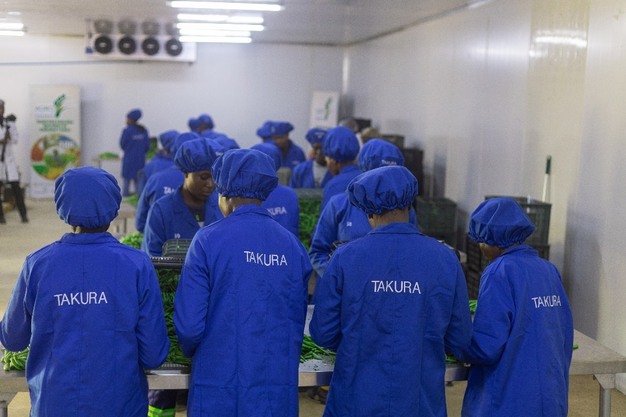 © TakuraA packhouse conforming to international standards receives the produce grown by Takura's network of farmers
Zirebwa remarks that they work with "bottom-of-the-pyramid farmers", creating opportunities for them to improve their livelihoods through export production. "We have built a packhouse which conforms to international standards in order to reach the best markets. Our full-time extension staff ensures adherence to international standards and Good Agricultural Practice."
A project of regionalisation to adjacent provinces like Masvingo and Matabeleland will, he hopes, take the business model to hundreds more farmers while simultaneously motivating young people. "There is quite a lot of interest in our model. We are helping create a sustainable world where all people have an opportunity to prosper."
 © Takura
 For more information:
William Zirebwa
Takura
Email: [email protected]
https://takurafarms.org/