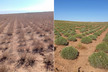
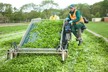
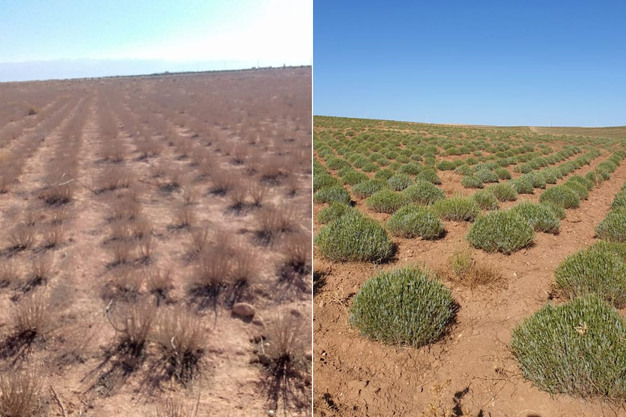
The aromatic and medicinal plant industry is undergoing a period of rapid transition in Morocco, as the country emerges from a seven-year drought. At the height of the drought, several plants had virtually disappeared from the market, but are now making a comeback in abundance. However, the transition is not easy, as excessive rainfall is complicating cultivation operations. Karim Belkheir Goutr, CEO of 4 Seasons Mediterranean Aromas, provides an update on the situation.
 © 4Seasons
Through 2025, prices for many medicinal and aromatic plants in Morocco have skyrocketed, while several others are virtually impossible to find on the market, disrupting supplies to international markets and industries such as pharmaceuticals, cosmetics, and food processing. For example, farm-gate prices of mint have risen by 200%, those of verbena by 150%, and those of rose by 40-50%. These increases are widespread and affect all products, while some plants, such as oak moss and common ivy, were nowhere to be found.
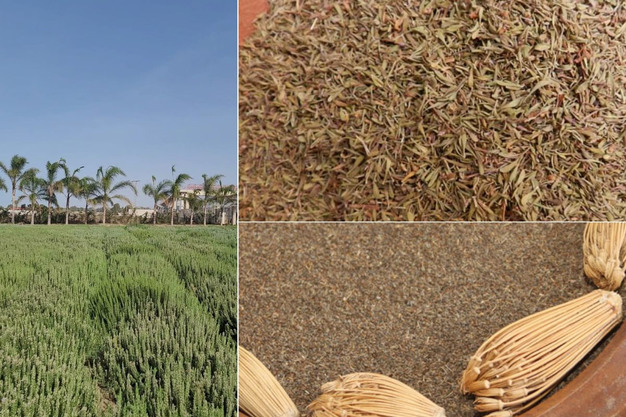
"The situation took a turn for the better with the arrival of heavy rains. Virtually all wild plants have recovered and will be available in abundance, such as pennyroyal mint, Ammi visnaga, wild thyme, oakmoss, wild rosemary, and other plants. The rains and snow that have blessed our country are very beneficial, and the results are most evident in wild plants, though the results will be delayed in cultivated plants," Belkhir explains.
 © 4Seasons
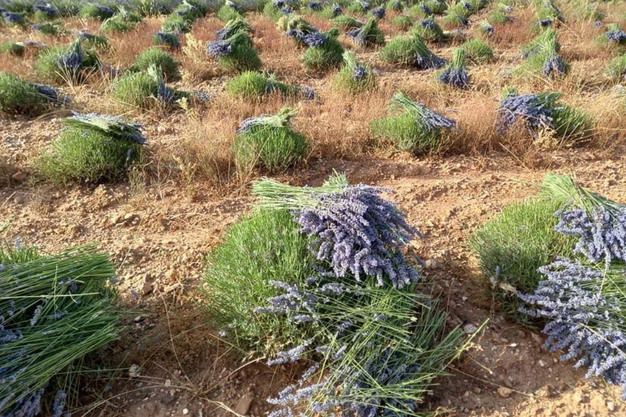
Like many fresh produce items, medicinal and aromatic plants production faced difficulties in the flooded regions. Belkhir explains: "The Ksar Kebir region, the hardest hit by the floods, is home to significant mint production. The same applies to coriander production in the Gharb. The floods have caused considerable losses in crops and greenhouses. The damage also extends to the paralysis of exports due to poor weather conditions in the ports, which have also affected our sector. However, there is a significant difference between the damage caused by rain and that caused by drought; after the floods, we remain confident."
According to the grower, the effects of abundant production should be felt on the market soon. "Our next growing season for greenhouse-grown plants begins in March, and we expect high yields and a real recovery in the sector. Better yet, it is the naturally regenerated plants—that is, those grown in the wild—that will see a significant recovery. We're talking about one million hectares of rosemary alone. The auction of these plants is managed by the National Water and Forestry Agency, and the next harvest cycle is expected in May."
"In addition to the rains, the country has also seen satisfactory snowfall, and we expect a return to normal volumes of the so-called Atlas plants," Belkhir concludes.
 © 4Seasons
For more information:
Karim Belkheir Goutr
4 Seasons Mediterranean Aromas
Tel: +212661164256
Email: [email protected]
www.4seasonsplantations.com