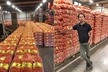
Onion prices in Morocco have increased since late March, with levels reaching 14 to 18 dirhams per kilogram (US$1.40 to US$1.80/kg) depending on the region. The increase comes despite a winter period of rainfall that supported agricultural production.
According to Bouazza Kharrati, president of the Moroccan Consumer Rights Federation, the price rise reflects "the market dynamics of supply and demand" and "the seasonal nature of highly consumed varieties, where storage and preservation present significant challenges". He noted that fresh onions are available at around 7 dirhams per kilogram (US$0.70/kg), although these are smaller in size, while imported onions are priced at around 10 dirhams per kilogram (US$1.00/kg).
With the current crop cycle ending, new local production is not expected until summer. Kharrati added that some traders are redirecting volumes to other African markets to avoid stock losses, contributing to reduced availability, while "speculation by certain intermediaries in local markets" is also affecting pricing.
Storage limitations remain a constraint. Kharrati said "the storage of onions, which are prone to spoilage due to their high water content, remains rudimentary compared to expectations and quality standards", forcing producers to sell quickly.
The Ministry of Agriculture has expressed reservations about proposals to import onions and potatoes from Egypt and Turkey. Importers have identified these origins due to lower costs, which could support supply and pricing. However, Kharrati said current import approaches benefit suppliers more than consumers and argued that imports are not necessarily aimed at lowering prices.
He also raised concerns about continued exports during domestic shortages and called for restrictions during periods of high demand, as well as the creation of an independent regulatory body.
Market dynamics are also affecting export flows. A slowdown in vegetable exports to some African markets has been reported, with competing suppliers gaining ground and local production in importing countries increasing.
Abdelkrim Chafai, head of the regional consumer rights federation in Souss-Massa, said price differences between wholesale and retail markets remain high. He noted that prices have stayed elevated despite imports from Spain and the Netherlands, indicating a gap between import costs and consumer pricing.
Chafai said imports alone will not resolve the issue and called for stricter controls on exports during shortages and reforms to wholesale markets to limit the role of intermediaries.
Sources: Yabiladi / Hespress English