Greenhouse farming is gaining traction in Nigeria as growers look to improve yields, reduce losses, and meet export requirements, according to Vincent Ojeah of CAV Agro-Ventures.
Ojeah stated that aligning food production with international standards remains a priority for export growth. He advised that regulatory agencies should strengthen collaboration with destination market authorities to address compliance gaps related to packaging, chemical residue levels, and food safety. He noted that stricter enforcement and adherence to standards could reduce rejection of Nigerian products in export markets.
On policy, Ojeah referenced the allocation of N262 billion (US$170 million) to agricultural capital expenditure in the 2026 budget, stating that funding should focus on agro-industrial infrastructure and food security. He added that farm security, subsidised inputs, and financial support remain necessary to stabilise production.
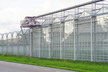
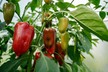
Greenhouse systems allow multiple harvest cycles within a single planting period and reduce post-harvest losses through controlled production conditions. Ojeah indicated that a greenhouse operation covering construction, planting, and maintenance over a 10-month cycle at a cost of about N2.9 million (US$1,900) can generate around 35 per cent profit when producing crops such as bell peppers. Open-field systems remain more exposed to seasonal limitations, with shorter production windows.
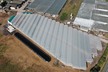
Construction costs vary depending on materials. A greenhouse on a "50 by 100 plot of land" may cost around N2.7 million (US$1,800) using bush poles, with higher costs for galvanised structures. Core infrastructure includes Solarig or UV plastic covers, insect-treated nets, drip irrigation systems, fertilizer injection systems, and spraying equipment.
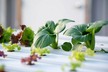
Controlled environments improve crop performance through pest exclusion and regulated light conditions. Greenhouse systems also allow closer monitoring of plant development and input use. Water supply remains a constraint, as irrigation systems require consistent availability.
Greenhouse farming is present in Ogun State, the Federal Capital Territory, and Plateau State. Ojeah noted that expansion is ongoing, with his own operation growing from one to over ten greenhouse units within five years.
Supply chain development remains linked to technical knowledge and labour. Ojeah highlighted the need for expertise in Intensive Pesticide and Fungal Management and Intensive Nutrient Management. He added that each plant requires about one litre of water daily.
CAV Agro-Ventures supports growers through training programmes focused on input use and modern production methods.
On long-term development, Ojeah stated: "Greenhouse farming represents the future of crop production."
Source: Leadership