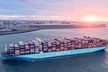
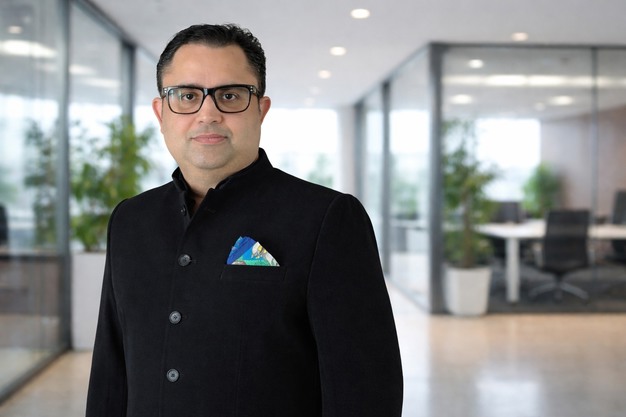
India's logistics for fresh produce exports isn't what it used to be, says Gaurav Sethi, Director of Mumbai-based Intercont Liner, highlighting how the ecosystem has gone from fragmented and cost-driven to structured and reliable. "Ocean reefers are more available now, with better connectivity and schedule discipline. Air cargo prioritizes perishables with dedicated capacity. And the biggest shift comes from exporters being far more aligned with global quality and delivery standards."
Sethi highlights how India's logistics sector has evolved to match that. "The GCC and Upper Gulf remain India's strongest corridors, especially for vegetables. At the same time, Southeast Asia is growing rapidly, and Europe is becoming more structured for premium produce. We're even seeing fresh flows into Africa and CIS markets. What's interesting is the pivot from bulk commodities to higher-value produce like grapes, pomegranates, and bananas."
 © Rik Trottier | Dreamstime
Exporters no longer view cold-chain as an optional cost but rather a critical value enabler. Sethi mentions that the integration is far better today, from pre-cooling at origin to controlled transport and delivery. "If you want to compete globally in perishables, the cold chain isn't optional anymore; it's your foundation. In terms of categories, despite onions dominating volumes, grapes, pomegranates, bananas, and proteins are driving value." He also flags a few big trends shaping India's export trade logistics, including a Cost-to-reliability focus, digital real-time visibility, reefer import growth, and resilient route diversification.
 © Intercont Liner
Intercont Liner positions itself as a 40-year-old, precision-led boutique player, with 85–90% temperature-controlled volumes in GCC and Southeast Asia lanes. Their ongoing AI-driven Project NOVA will soon add an intelligence layer to predict disruptions for flawless execution. "In perishables, one delay drops value dramatically; precision is everything. Margins in fresh produce are sensitive, and logistics have to absorb volatility and still keep trade viable. Thankfully, the industry is moving from effort-driven execution to system-driven supply chains."
War in the Middle East and rising oil prices have added considerable pressure. "Higher oil prices are increasing both ocean and air freight costs, putting pressure on exporters. We are rerouting via alternate ports, coordinating with terminals, and shifting air to sea freight where it makes sense," Sethi mentions. Despite the near-term challenges persisting with tight peak capability, shifting routes, and rising oil prices, he emphasizes that GCC and Southeast Asia demand stays robust. The system today is far more resilient; trade will continue, even if the routes keep changing."
For more information:
Gaurav Sethi
Intercont Liner
Tel: +91 98 67 263 000
Email: [email protected]
www.intercontliner.com