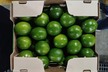
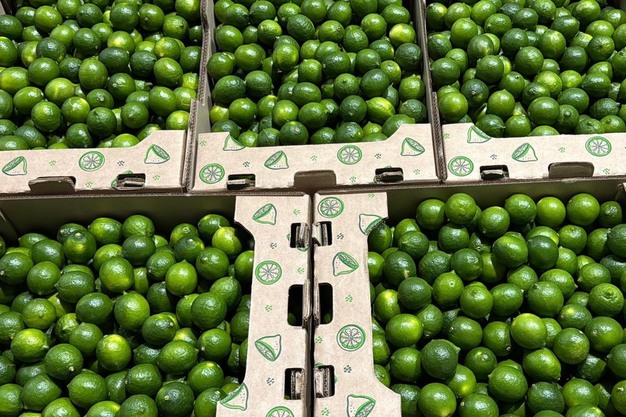
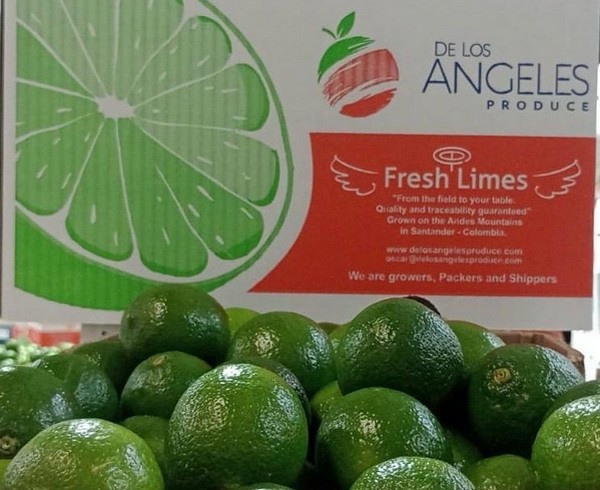
Colombian Tahiti lime exports continue to gain ground globally, with the United States as the main destination, says Óscar Portilla, representative of De Los Ángeles Produce, a company based in Santander, Colombia, which combines its own production with regional alliances to be able to meet all the international demand.
 © De Los Ángeles Produce
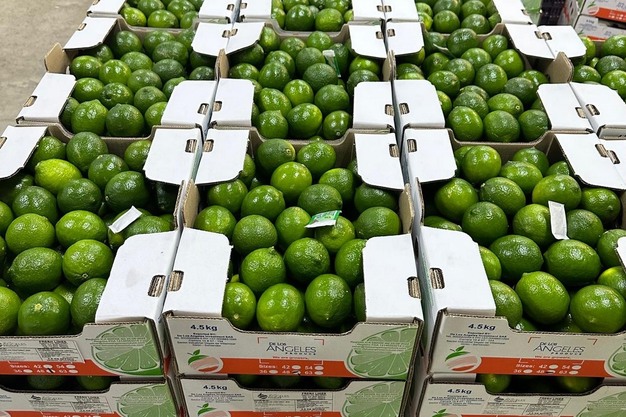
The company, which started operating in 2015 and has been exporting since 2018, ships around 300 containers a year. More than 90% of these go to the U.S. market, and the rest go to destinations like Canada, the Caribbean, and some European countries.
"The main market is the United States," says Portilla, pointing out that they also handle distribution at the destination, which allows for a more direct relationship with customers, especially those in the retail sector.
 © De Los Ángeles Produce
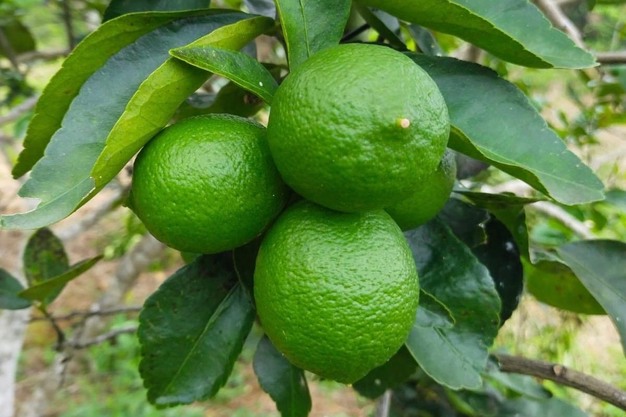
One of the differentiating factors of the limes produced in Santander is that they are available all year round. "We can supply them 52 weeks a year," he says. That's an advantage over other suppliers with a more seasonal production.
However, the sector is facing structural challenges, especially when it comes to climatic conditions. "Climate has always been the main challenge," says Portilla. Both production and logistics are affected by the weather conditions, especially during times of high demand. Distribution is currently hampered by frost in the northern United States, so supply is building up in other parts of the country.
 © De Los Ángeles Produce
To this, we must add the growing international competition, especially from Mexico and Brazil. While Mexico maintains its position as the main supplier, Brazil has increased its presence in Europe with lower prices, putting pressure on Colombian exporters. "We aim to compete in terms of quality," says Portilla, given the difficulty of matching the prices of these competitors.
"Prices have dropped after the high levels of previous seasons. We went from prices of up to 100 dollars per box to maximums of 40 dollars," he says. He attributes this to the increase in global supply, with new players such as Peru and Central American countries.
 © De Los Ángeles Produce
In 2026, the company expects production volumes to grow by 40% as a result of new plantations coming into production. However, factors such as rising labor costs are forcing the company to review its contracting models. "It has not been easy," acknowledges Portilla, who is looking into possible alternatives to improve efficiency.
In Europe, market behavior is affected by price volatility and Brazilian competition, although Colombia's transit times give it an edge in terms of logistics. The months leading up to summer are the most important period for sales.
Beyond the challenges, the exporter claims that the Colombian production stands out for its quality. "Colombia's fruit has juice and color," says Portilla, quoting a European client. This perception justifies the sector's strategy of differentiating itself by the product's attributes, rather than its price.
 For more information:
Óscar Portilla
De Los Ángeles Produce
Tel.: +57 300 865 1095
[email protected]
https://delosangelesproduce.com/