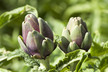
Artichokes are a nutrient-rich vegetable, according to Tie Liu, an associate professor of horticultural sciences at the UF Institute of Food and Agricultural Sciences (UF/IFAS). They contain fiber, antioxidants, and bioactive compounds that may support heart health, digestion, and overall diet quality.
Artichokes begin to lose nutritional value soon after harvest. To address this, Liu and Shinsuke Agehara are studying postharvest quality changes in artichokes grown at the UF/IFAS Gulf Coast Research and Education Center (GCREC). The research aims to identify methods to extend shelf life while maintaining the stability of key compounds.
Agehara hosted an Artichoke Field Day on March 4 at GCREC, where Liu presented preliminary findings. The event included 36 participants, including commercial growers and home gardeners.
"After artichokes are harvested, they slowly begin to lose nutrients and freshness," Liu said. "Our research focuses on finding better ways to store and handle artichokes, so they stay fresh longer and keep more of their healthy nutrients. This can help farmers reduce waste and deliver higher-quality produce to fresh markets and consumers."
Artichokes are typically grown in Mediterranean climates, where cool temperatures support bud formation, but the plants are sensitive to freezing conditions. In the United States, most commercial production takes place in California, with produce shipped to other regions.
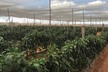
Agehara has studied production methods for adapting artichokes to Florida's warm and humid conditions. His team developed a system using gibberellic acid to stimulate bud formation without natural chilling. Combined with cultivar selection, planting schedules, fertilization, and irrigation management, the system can produce up to 15,420 pounds per acre, which is more than 90% of average commercial yields in California.
Participants at the field day received a production guide. A post-event survey indicated that 70% of attendees were interested in growing artichokes, while 24% indicated interest in expanding production.
"By growing nutritious vegetables and using good postharvest practices, farmers help provide foods that support health," Liu said.
For more information:
University of Florida
Tel: +1 352 392 3261
www.blogs.ifas.ufl.edu