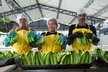
According to Fabiano Ramos, representative of Sweet Fruits, the favorable trading windows at the start of the year (January and February), increased demand in Europe, and a growing diversification of the market have helped Brazil strengthen its position in the mango market.
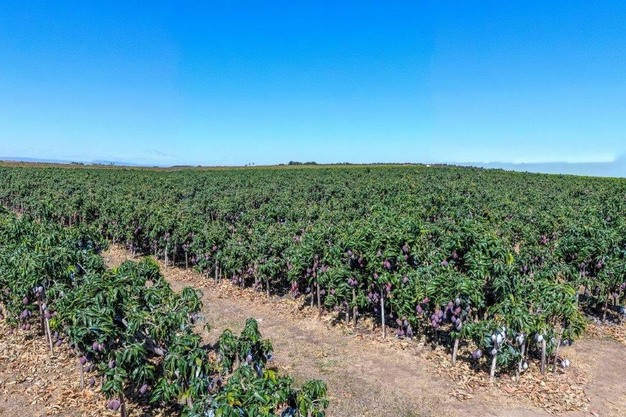
Sweet Fruits, a Brazilian company with nearly 30 years of experience, exemplifies this evolution. It has 1,300 hectares of production in the San Francisco Valley and mainly exports to Europe, while also operating in South America, North America, the Middle East, and Asia. The company ships over 1,200 containers yearly, aims to reach 1,500, and exports about 12,000 tons by air.
 © Sweet Fruits
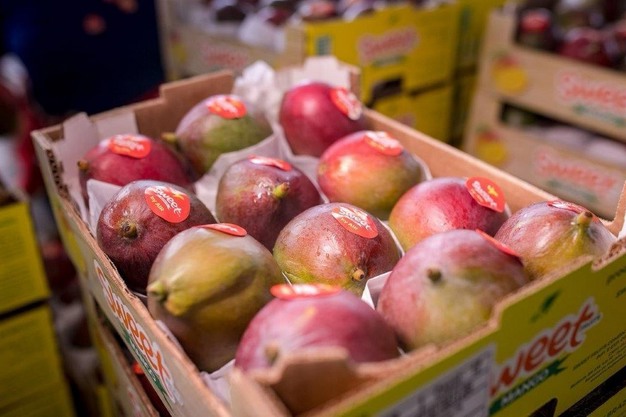
A key highlight of this season has been the price trends. A 4 kg box is selling in Europe at approximately 8 to 8.50 euros, which is atypical for January and February, stated Ramos. This rise is mainly caused by reduced supply from other countries. "The offer from the Peruvian region of Piura has been significantly lower, directly affecting the final price," he explained.
This situation has resulted in Brazilian mango prices being more stable than in previous seasons, especially during trading periods when global supply is limited. "Even outside the typical seasons, Brazil keeps shipping to Europe and the UK, taking advantage of production problems in other areas, such as water shortages in Spain or reduced Peruvian output," he added.
 © Sweet Fruits
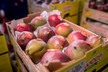
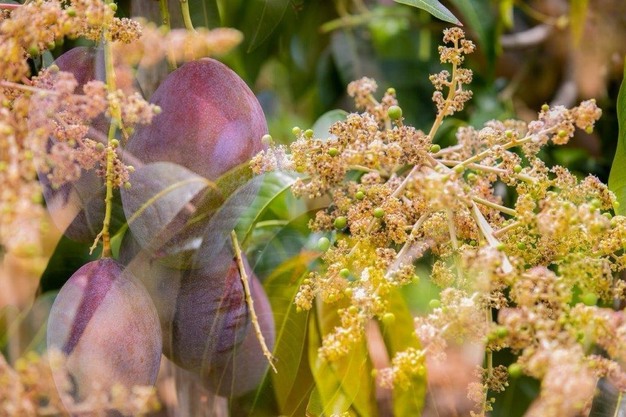
The market is also evolving in terms of varieties. The Palmer variety, which accounts for most of Sweet Fruits' production, is increasingly accepted in markets where other options once dominated. "As a non-fibre fruit option, Palmer has potential to expand in markets that traditionally relied only on Keitt/Kent, like France and the UK," Ramos stated, highlighting a trend towards diversification in demand.
The operating environment continues to face structural challenges, with logistics as the primary source of uncertainty. "We have few options, and that makes the operation more expensive," Ramos stated, highlighting the limited maritime routes and the effects of delays. Recently, delays have grown up to two weeks, disrupting planning and raising costs at the destination.
 © Sweet Fruits
In addition, weather-related events such as heavy rainfall and water shortages across different growing regions worldwide, along with increasing difficulty in finding farm labor, are affecting the sector. "People no longer want to work in the fields," says Ramos, pointing to a structural change in the availability of workers.
Despite these challenges, the sector remains optimistic. The combination of relatively high prices, expansion into new markets, and greater acceptance of different varieties points to opportunities, though they depend on the adaptability of those involved in the chain. As Ramos sums up, "fruit produces are resilient," a key trait in an increasingly demanding market.
 For more information:
Fabiano Ramos
Sweet Fruits
Tel: +55 87 3863 4522
Email: [email protected]
www.sweetfruits.com.br