Against the backdrop of continued automation in fruit and vegetable packaging, mesh bags designed for automated production lines are becoming a key focus for the industry. As fruit and vegetable processing companies accelerate their expansion and smart manufacturing upgrades, traditional manual or semi-automatic packaging methods are no longer able to meet the demands of high-volume, high-efficiency production.
 © YEPP
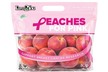
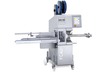
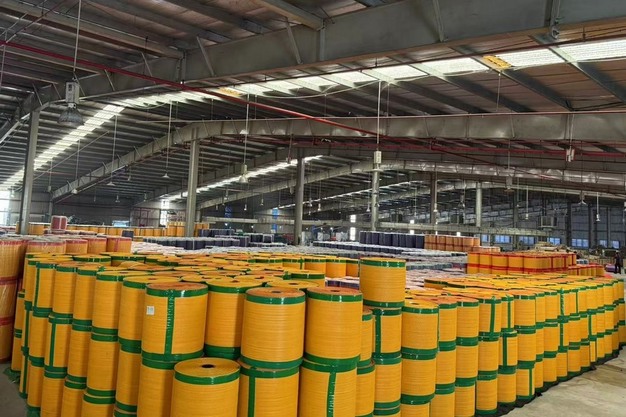
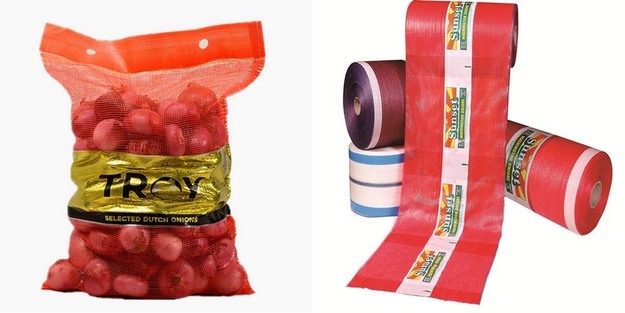
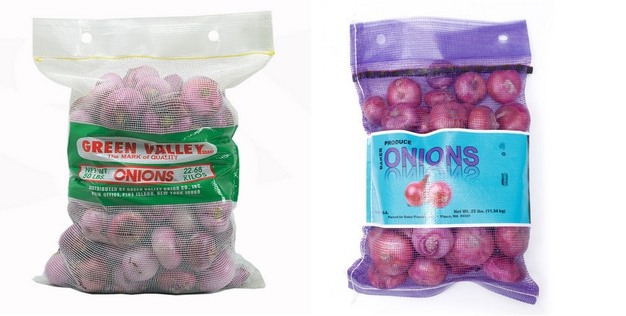
According to Andy Dai from YEPP, market demand for high-efficiency and highly stable packaging consumables is rising significantly, especially in major European and North American markets. YEPP currently mainly produces two types of products: PP wicketed leno mesh bags and PE raschel bags on roll. Both are designed as dedicated consumables for fully automated packaging equipment and are capable of meeting the needs of high-speed production lines. "In practical applications, these mesh bags can significantly improve packaging efficiency while reducing manual intervention, thereby lowering overall labor costs," Andy said. "However, at this stage, the products remain focused on performance and efficiency and do not yet offer biodegradable properties."
 © YEPP
YEPP's products are mainly exported to Europe and North America. Andy noted that these two markets have become increasingly aligned in terms of product specifications, quality requirements, and equipment compatibility, creating favorable conditions for large-scale production. "However, with the advancement of the EU's PPWR packaging regulations, the market has placed clearer demands on the lightweighting of plastic packaging," Andy said. "This means companies will need to continue investing in R&D related to weight reduction and material optimization in the future." It is understood that YEPP has already begun developing and pilot-producing related lightweight products.
Regarding current industry conditions, Andy pointed out that traditional mesh bag production still faces several pain points: low levels of automation, heavy reliance on manual labor, the continued use of non-biodegradable plastic materials, growing pressure from environmental regulations, and significant variations in product quality across the industry due to the lack of unified standards.
 © YEPP
To address these issues, YEPP has carried out comprehensive improvements in three areas: equipment upgrades, quality control, and compliance systems. Andy explained, "We have introduced higher-precision weaving equipment, making the mesh bag structure more uniform and stable. At the same time, we have established a comprehensive quality control system to ensure consistency in key indicators such as product weight and tensile strength. In addition, our factory has obtained BRC certification, and our products have passed SGS testing, with all indicators meeting the latest EU PPWR requirements."
 © YEPP
On the demand side, as the fruit and vegetable processing industry moves toward larger-scale and more intelligent operations, the adoption rate of fully automated packaging equipment is increasing year by year, driving corresponding growth in demand for compatible mesh bags. "It is clear that fully automated mesh bags are becoming an important growth area in packaging consumables," Andy said. On the one hand, regulatory requirements related to compliance and lightweighting are raising industry entry barriers; on the other hand, processing companies are accelerating automation upgrades to reduce costs and improve efficiency, further expanding the application scenarios for mesh bags.
In terms of market expansion, in addition to continuing to deepen its presence in Europe and North America, YEPP is also beginning to focus on emerging markets such as Africa. "Africa's fruit and vegetable processing industry is developing, and automated equipment is being introduced gradually, creating potential demand for high-performance, cost-effective mesh bags," Andy said. The company has already carried out related market research and channel development, and plans to launch more targeted products in the future based on local market needs.
 © YEPP
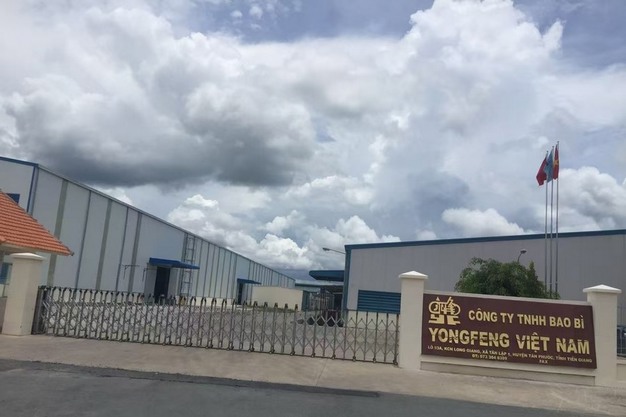
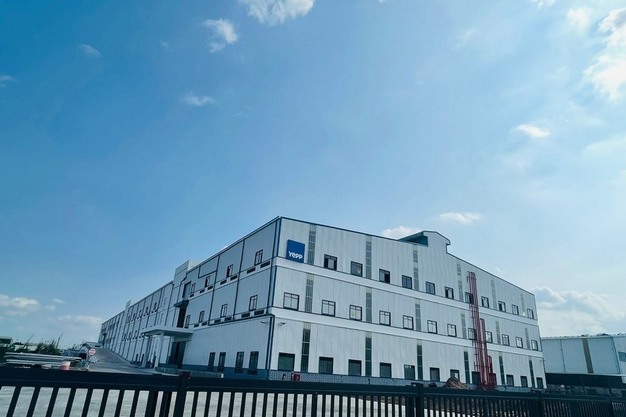
Founded in 1986, YEPP focuses on the R&D and production of PP and PE mesh bags and has nearly 40 years of industry experience. The company established a production base in Vietnam in 2014, and most of its products are now manufactured locally.