The South African government has announced a temporary reduction of R3 (€0.15) in the fuel levies on petrol, diesel, and paraffin to offer consumers and businesses a reprieve from price shocks caused by the Middle East war.
From midnight yesterday, the diesel price increased by R7.51 (€0.38) per litre, more than double the fuel price increase. In South Africa, diesel now costs the most it has ever been, after the highest single jump in its price ever.
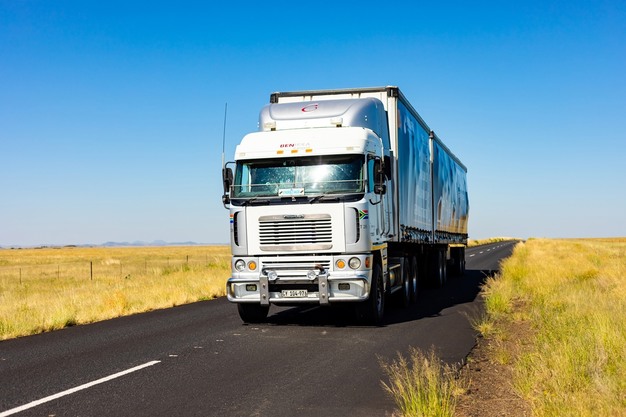
Werda Cargo, a freight forwarder in the fresh produce industry, uses between 250,000 and 300,000 litres of diesel per month, says Daniël Bosman, general manager. "Our trucks have never stood still since the start of the war. We've made it work, getting hold of the 150 litres to 200 litres needed per truck daily."
They've been able to keep the wheels rolling during this lull in the fruit export season. Currently, there are some apples and pears going out, he says, and early lemons and grapefruit. "From May onwards it starts getting really busy," he notes: the Citrus Growers' Association has just released the season's export predictions, and total exports can grow by 3 to 5%.
 © Niet Potentieel | Dreamstime
Tough times exploited by some diesel suppliers
Unlike the petrol price, in South Africa the price of diesel is not set by the government. Yesterday's announcement has set a maximum wholesale price increase, which freight forwarders welcome. Bosman comments that some diesel purveyors have taken advantage of the situation to enrich themselves with increases as high as R12 per litre since the outbreak of the war.
"There have been some who have used it to play the system, which, in my view, is not fair. There aren't diesel shortages, and I consider it is truly poor form to abuse the state of affairs to create additional profit margins," he remarks, observing that bulk diesel buyers, like trucking companies, have a long memory for this kind of opportunistic manipulation of prices.
"Henceforward, I expect the situation to stabilize with sufficient supply. South Africa obtains 20% of its oil from the Middle East; in other words, only a fifth is directly affected by the war. The government is in talks with other oil-producing countries like Nigeria, and in terms of supply, I expect that we'll be ok," he says.
While supply is hopefully assured, rising costs will be felt by the populace. "An average increase of 20% in landside/logistics/transport costs will carry through to impact food prices."
It has already been a very difficult year for fruit exports: the experience of grapes and stonefruit turned out to be a sign of things to come for the rest of the year – it's often the case, he says, as if grapes and stonefruit are the canaries in the mineshaft.
"The challenges at the ports, the landside costs and double handling – that was a perfect storm, and the returns on farm weren't great. But we'll get through this, as we've come through previous difficult years. Some years are good, and some years are like this. People need to eat, and product needs to flow. It will take a while, but in a few weeks I expect the supply to have stabilised."
 For more information:
Daniël Bosman
Werda Cargo
Tel: +27 21 981 3760
Email: [email protected]
https://www.werdacargo.co.za/