The main mango pest, the fruit fly - which can cause up to 50-80% production losses - is very present in West Africa, particularly in the Ivory Coast, Mali, Burkina Faso, and Senegal. This pest, which causes phytosanitary risks, led to the temporary suspension of Malian mango imports by the European Union in 2025, following repeated interceptions. The Senegalese mango sector has since strengthened its measures to avoid a similar scenario. Oumar Sow, chairman of SEPAS (Senegalese organization for the export of agricultural products and services) and chairman of the supervisory committee of the mango interprofession, reports on the measures put in place for 2026, which looks set to be a very promising season.
 © Oumar Sow SEPAS
An action plan against fruit flies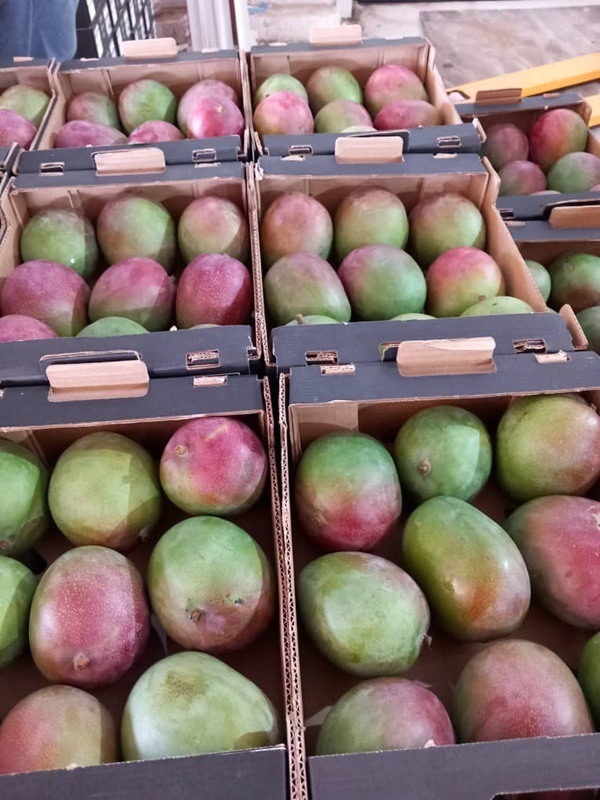 © Oumar Sow SEPAS
Last year, the country exported just 19,000 to 20,000 tons of mangos to the European Union, well below its potential. "We received warnings from European authorities, forcing us to stop shipments," explains Oumar Sow. For the 2026 season, the sector has therefore taken the initiative of putting in place an action plan. Controls have been stepped up at several levels. "Companies, packing centers, and producers have been identified in order to better guarantee quality," explains Oumar Sow. This strategy is part of a systemic approach, combining several pest risk management measures. Alongside regional monitoring programs, the interprofession has introduced new means of protection, including treatment by drone. The objective is clear: to avoid any interception on the European market. "We are aiming for zero flies and therefore zero interceptions," emphasizes Oumar Sow. For the 2026 season, the sector hopes to export 35,000 tons of mangos.
 © Oumar Sow SEPAS
An earlier start this year
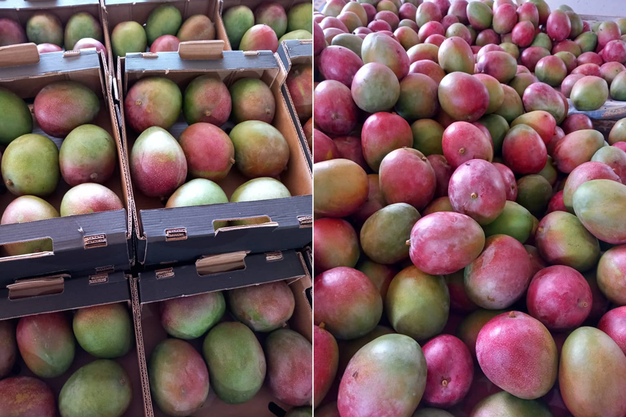
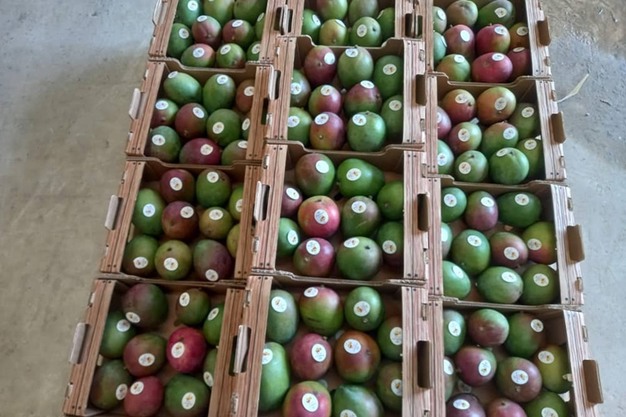
In terms of production, the outlook for the 2026 season is very encouraging. "We are expecting a good crop. So far, we have not had any weather problems, and we are expecting quality mangos for the European market," explains Oumar Sow. Some twenty exporters will be approved and certified by the Plant Protection Department for the coming season. Senegal is also expected to enter the market earlier this year. "The season should start around the 20th of May, while Ivory Coast will stop exporting by August 10th at the latest," concludes Oumar Sow. For this campaign, Senegalese exporters are also benefiting from assistance from the Origine Sénégal foundation, which is providing them with compartments to pack the mangos and solid support to enable the country to increase its quality exports.
For more information:
Oumar Sow
+221 77 262 31 15