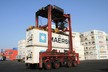
Pakistan's fruit and vegetable exports are facing disruptions after shipping lines suspended operations to Middle Eastern ports and introduced war-related surcharges amid the ongoing regional conflict. Exporters report that shipments of potatoes, kinnow, and other perishable products have slowed or stopped as maritime routes to Gulf markets remain uncertain and freight costs increase.
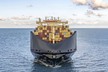
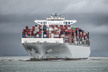
Industry representatives said several global shipping companies halted bookings for the Middle East following security concerns and attacks affecting regional ports, including the Port of Salalah.
In addition to shipping disruptions, carriers introduced emergency conflict surcharges of about US$2,000 per container. Exporters said the added costs and uncertainty regarding port operations have complicated shipments of agricultural products to Gulf markets.
Shipping advisories from carriers, including Maersk, CMA CGM, Wan Hai Lines, and Hapag-Lloyd, confirmed the introduction of war risk and emergency conflict surcharges on cargo destined for or transiting through Gulf ports from March 2, 2026.
The charges apply to cargo already in transit and to new bookings. Additional fees range from about US$2,000 for a standard container to as much as US$4,000 for refrigerated or specialised containers.
Exporters said the suspension of maritime services has halted shipments of potatoes and kinnow to Middle Eastern markets, which typically account for a large share of Pakistan's produce exports.
Trade conditions are also affected by the continued closure of the Pakistan-Afghanistan trade route. Afghanistan has historically been one of the largest markets for Pakistani potatoes, representing more than 40 per cent of export volumes.
Pakistan authorities have recently permitted exports to Central Asian markets through land routes via Iran to bypass the Afghan corridor. Exporters said the alternative route involves longer transit times and higher transport costs.
Some exporters have reduced seasonal shipments. Traders involved in fresh jujube (ber) exports to Iraq said procurement ended earlier than planned because of transport disruptions in the region.
The fruit is normally transported through a combination of air and land routes via Iran. However, security concerns and uncertainty regarding transit conditions have led exporters to suspend shipments.
Exporters said halted shipping routes, higher freight charges, and restricted regional trade corridors have created uncertainty for exporters of perishable agricultural products.
Industry representatives said developments are being monitored in the coming days and that prolonged disruptions could lead to losses for exporters and additional pressure on Pakistan's agricultural trade.
Source: Profit