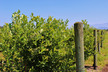
The Colombian citrus sector is undergoing a period of transformation, marked by significant growth in cultivated land, profitability challenges, and the need to broaden markets. In this context, the Federation of Colombian Citrus Guilds (Fedecítricos) aims to strengthen sector organization and diversify commercial opportunities for producers.
 © Fedecítricos
According to Andrés Londoño, representative of Fedecítricos and a citrus grower with over 15 years of experience, the federation currently encompasses six associations that collectively represent more than 350 growers across different regions of the country.
"Fedecítricos is a federation of various associations from across the country. Since last year, we have been working to unite the different producing regions throughout Colombia and to represent common interests," Londoño stated.
 © Fedecítricos
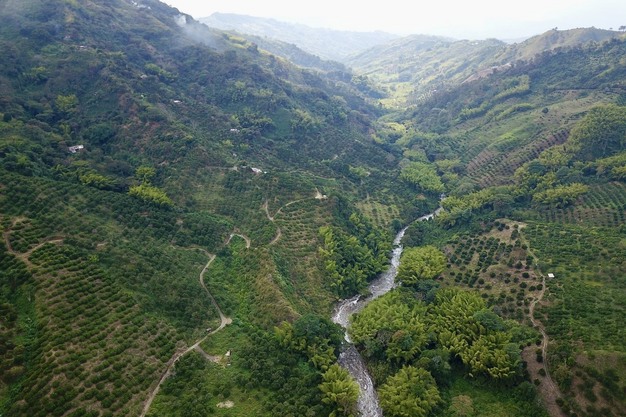
Citrus production in Colombia shows significant regional variation. In Santander, the nation's leading producer of Tahiti lime, small farmers with farms of around 1.5 hectares are most common. Conversely, in parts of western Colombia, the average can reach 25 hectares, while in Valle del Cauca, it easily surpasses 50 hectares.
This diversity influences how producers engage with the market. "Producers behave differently in the market, in their cooperation, and in managing their production units. That's why we are uniting all producers to represent the country as a whole," Londoño said.
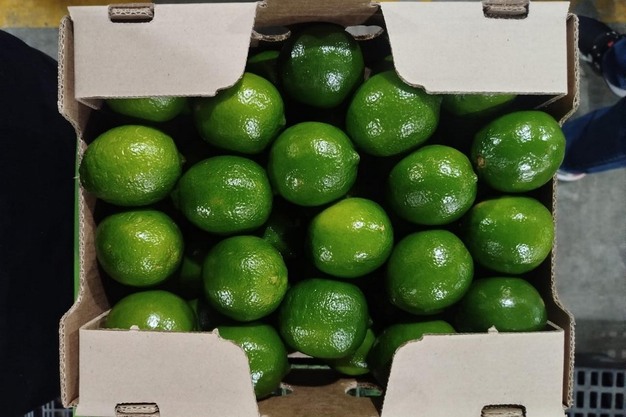
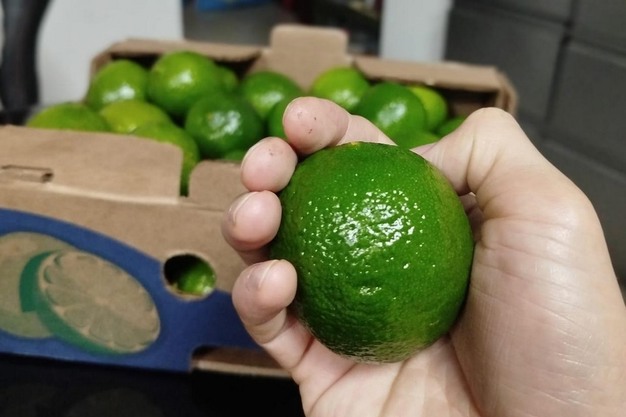
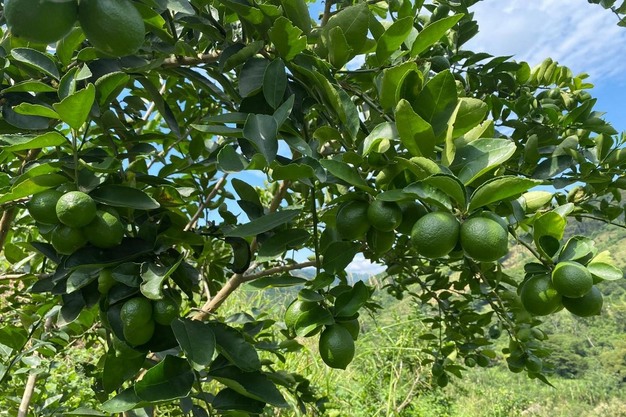
Tahiti lime cultivation has expanded quickly in recent years, increasing from approximately 20,000 hectares in 2021 to about 60,000 hectares today. However, domestic demand has not kept pace with this growth. "The supply has increased, but domestic demand has not. If the product is not exported, it remains in the local market and the crop becomes unsustainable," he said.
 © Fedecítricos
As such, exports have become crucial for the sector's sustainability. About 85% of Colombian lime exports currently go to the United States, primarily via the East Coast, with a focus on retail channels. The remaining exports are sent to markets like Europe, Ecuador, Chile, and various Caribbean islands.
Confronted with low prices and increasing production costs, Fedecítricos is advocating new strategies for the sector. "We need to boost exports of fresh lime, develop the processed lime market, and increase processing capacity domestically," said Londoño, referencing products like juices, essential oils, pectins, and components for the cosmetics industry.
 © Fedecítricos
Another promising area is the expansion of organic Tahiti lime cultivation, which now accounts for about 5% of the roughly 60,000 hectares farmed in the country. "Although it is a niche market, organic produce can command prices up to 60% higher on average in certain cases," Londoño stated.
Despite the current challenges, the sector holds a long-term vision. "If we do not collaborate and establish order in marketing, many producers may disappear; this highlights the importance of the federation," he concluded.
 For more information:
Andrés Londoño Gutiérrez
Fedecítricos
Colombia
Tel: +57 3137201764
[email protected]
www.citri.com.co