Florida has long been known as the "sunshine state." With that, it's also quite well known for its production of citrus items such as oranges, grapefruit and more.
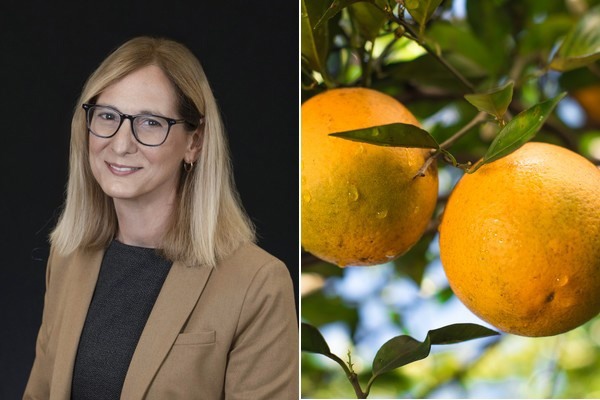
"Florida's ideal climate helped the first orange and grapefruit trees grow into a flourishing commercial industry that is now synonymous with sunshine, wellness and the state of Florida," says Dr. Marisa Zansler, director, economic and market research with the Florida Department of Citrus (FDOC).
 © Florida Department of Citrus
In fact, when asked to list the U.S. state where most of the best-tasting oranges and grapefruits are grown, Florida is the first state that comes to mind for two thirds (66 percent) of food shoppers in the U.S., according to a FDOC shopper survey conducted in December. The survey, which was administered to over 1,000 shopping decision makers living in southern, eastern and midwestern states with shipping proximity to Florida, also shows that more than 90 percent of shoppers link regular fresh orange consumption with immune support, hydration, and sustained energy levels. ¹
With these survey results in mind, there's a renewed call for origin labeling on Florida citrus, particularly given that it showed that the majority of consumers see considerable incremental value in Florida origin relative to oranges.
Survey findings
The FDOC shopper survey showed that 90 percent of participants indicated that they purchase oranges, with 60 percent saying that they definitely/probably will in the next 30 days. When asked what the most they would be willing to pay for 1 lb. of oranges that are clearly marked as having been grown in, and recently shipped fresh, from groves in Florida — nearly two thirds (63 percent) of U.S. shoppers reported they would be willing to pay at least 10 cents more than the average $1.50 price for a pound of oranges. Nearly one-third indicate they are willing to pay 20 cents or more above the average price for Florida sourced oranges.¹
"Consumers generally value origin logos on fresh fruit, and more frequent orange purchasers are particularly interested in seeing where their fruit comes from. When purchasing oranges, over two-thirds (69 percent) of frequent orange consumers are "always aware" or "aware most of the time" of where their oranges were grown," says Dr. Zansler, noting that nearly nine in 10 consumers (86 percent) have some familiarity with the Florida citrus logo, and just over half (52 percent) are "sure" they have seen the logo.
 © Florida Department of Citrus
Dr. Zansler also notes that consumers are aware of the health and nutrition benefits offered by citrus. According to a study from the University of Florida's Agriculture Market Research Center, 43 percent of citrus users say they are consuming more in 2025 compared to 2024 and credit this to the immunity benefits (50 percent), nutritional attributes (40 percent) and eating healthier (40 percent).² Insights from Circana showed as well that this has led to a 58 percent growth in orange volume (pounds) and 64 percent growth in oranges sold (dollars) from 2022-2024.³ Recent findings in the shopper survey reinforced this by highlighting that shoppers associate benefits of oranges with immune support (94 percent), sustained energy levels (92 percent), hydration (90 percent), heart health (83 percent) and more.
These findings do come amidst citrus growers in Florida contending with challenges in production. This includes the issue of citrus greening. "Citrus greening is a threat to citrus growers globally. This disease has impacted groves around the world and limited the supply of fresh citrus. Although its impact on production has limited the supply of fresh citrus, the consumer still considers Florida as a premium source for citrus fruit," notes Dr. Zansler.
Protecting Florida citrus
The industry in Florida also continues to work hard at sourcing and implementing treatments and protections to restore production levels of the state's citrus. "This is critical as many of today's orange growers represent multi-generational family operations, inheriting the same resilience and determination from their ancestral growers," says Dr. Zansler. "The foundation of Florida's citrus industry has been its ability to adapt, overcome and evolve our treatments and protections against prolonged challenges stemming from extreme weather and disease. This remains true today."
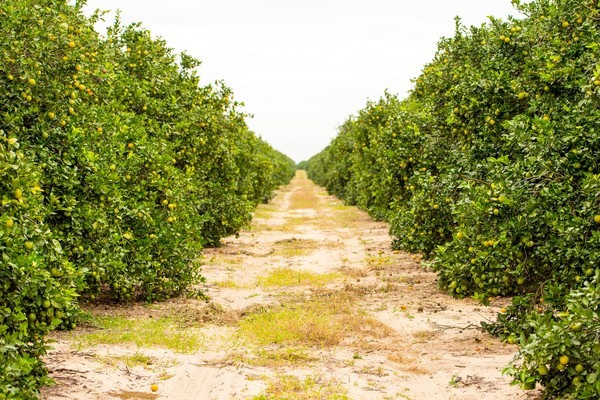
While citrus production in Florida has decreased over the last 20 years, not only due to citrus greening but also from the impact of four hurricanes in the last five years, the industry is now focused on replanting initiatives to help rebuild supply over time. "It's important to note that in the 2023-24 season, Florida citrus experienced an increase of all citrus harvested — largely due to the latest sustainable treatments for citrus greening as well as reset and recovery efforts post Hurricane Irma (2017)," she says. "Florida citrus growers are investing in replanting high-value, fresh citrus varieties to meet consumer demand for premium, locally-sourced options. The new emerging production is the exceptional high-quality fruit consumers have come to expect from Florida as our climate gives it a unique flavor profile that differentiates it in the marketplace. Our data shows that three-fourths of consumers purchasing citrus weekly are willing to pay more for citrus from Florida."
 © Florida Department of Citrus
With this in mind regarding origin cues for citrus, the Florida citrus industry argues that this reputation offers up a prime opportunity to retailers to position the product in front of shoppers in produce sections. "Retailers should take advantage of featuring origin stickers on fresh citrus fruit and bags of citrus, which provide a convenient way for consumers to purchase citrus for eating and juicing," says Dr. Zansler, adding that well-designed in-store signage such as bin wraps, stickers, and other point-of-sale (POS) materials are other ways to raise visibility in produce sections. POS materials particularly offer a space for merchandisers to highlight origin but also place the health benefits of citrus.
Other promotional ideas include leaning into citrus pairings by showcasing and cross-promoting citrus with other products–from salads, to yogurt and cereals.
Looking ahead, while many challenges still remain, the Florida citrus industry is fully leaning into a renaissance with the FDOC continuing to focus on the recovery of the industry by supporting the commercial implementation of new technologies, tools and methods for growers to utilize in groves throughout the state. "The passion, dedication and coordinated efforts of our growers and allied industry partners remain the driving force for securing a brighter economic future for Florida citrus and the 'Sunshine State,'" says Dr. Zansler. "Florida growers intend to recover from the decline in production by replanting high quality, flavorful citrus that meets the consumer demand for premium fruit."
¹ FDOC Padilla Shopper Survey, December 2025
² Consumer Perspectives on Florida Citrus, US, 2024-2025, University of Florida, Agricultural Market Research Center
³ Circana, U.S. Retail Sales Data, 2024
 For more information:
Florida Department of Citrus
[email protected]
https://www.floridacitrus.org