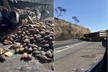
Pakistan is assessing alternative export routes for surplus potatoes following the closure of land borders with Afghanistan in October 2025. The shutdown of the Chaman and Torkham crossings, after clashes between the two countries, disrupted established trade flows and contributed to a domestic oversupply.
Afghanistan has historically been a primary market for Pakistani potatoes, with onward shipments to Central Asian countries including Tajikistan, Kazakhstan, Kyrgyzstan, Turkmenistan, and Uzbekistan. With trade suspended, local supply increased, and farmgate prices declined.
Food Security Minister Rana Tanveer Hussain told the National Assembly Standing Committee on Food Security that authorities are evaluating the Zahedan-Taftan land route through Iran as an alternative corridor.
"Authorities are considering the Zahedan-Taftan land route," Hussain said.
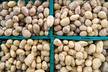
He noted that Pakistan typically stores 7 to 8 million tons of potatoes annually, but does not have capacity beyond that level. "However, this year, 13 million metric tons of potatoes were cultivated, which has caused the market to crash," he said.
An alternative route via China was described as shorter, but Hussain said visa requirements and higher fuel and transportation costs due to mountainous terrain would pose logistical challenges. Commerce Division officials added that the route through Iran would be longer than the Afghanistan corridor.
"The prime minister is personally looking into the issue," Hussain told committee members.
Russia remains closed to Pakistani potato exports due to prior quality-related restrictions, according to the minister.
Pakistan's agriculture sector accounted for 24 per cent of gross domestic product and employed more than 37 per cent of the labor force in 2024, based on data from the Economic Survey 2024-25.
Since the border closure, landlocked Afghanistan has increased use of trade routes through Iran and Central Asia as it reduces reliance on Pakistan. For Pakistani growers and exporters, corridor access remains central to balancing production volumes with regional demand and stabilising domestic prices.
Source: Arab News