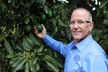
"The avocado industry is becoming more vulnerable in its supply and demand balance. Large volume entries now cause quick changes in prices, promotions, and sales channels, reflecting a more confined and highly interconnected market," stated Victor Ruete, from Grupo Baika (Chile).
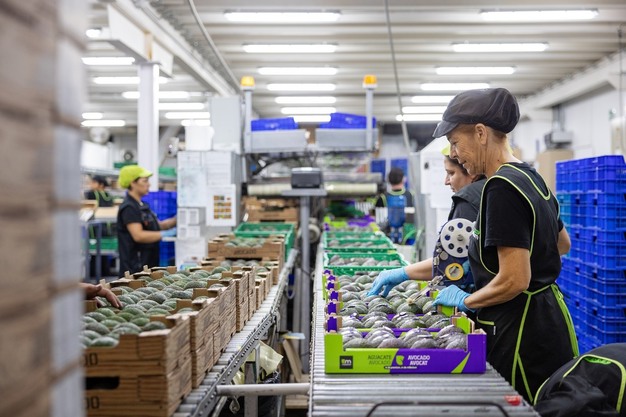
Compared to last season, the biggest change is the increase in both the size and concentration of supply over time, especially from Peru, Colombia, South Africa, and Kenya. "Peru is experiencing a season of strong growth, with exports possibly exceeding 800 million kilos. This presents a major challenge for the industry: coordinating volumes and marketing schedules more effectively to ensure smooth absorption in the key markets," he noted.
 © Baika
Europe continues to be the world's second-largest market in terms of volume and absorption capacity, acting as a key anchor market. Nevertheless, it experiences intense competition from various origins, particularly when multiple production windows coincide. "It's a market where pressure peaks when production windows overlap, so arrival conditions become critical," Ruete explained.
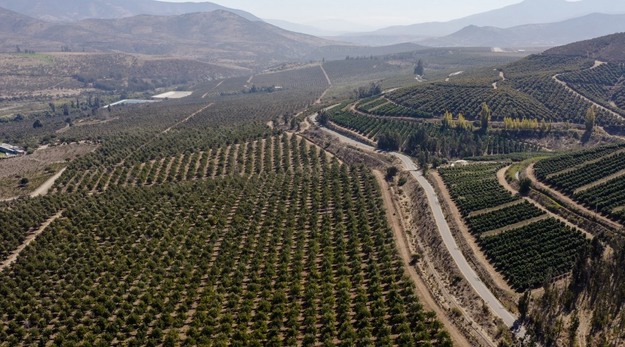
In the United States, the primary global market, behavior is strongly influenced by Mexico. "When Mexico fulfills most of the demand, other sources play a supporting role. This is especially important as the 2025-2026 season in Mexico is expected to be record-breaking, with exports to the U.S. surpassing 1.1 billion kilos, and similar levels projected for 2026-2027. This situation limits the American market's ability to absorb fruit from other sources and ultimately affects the global balance," he stated.
 © Baika
Price volatility has persisted in recent months. "In a system with relative abundance, the price reacts quickly to the buildup of inventories and the need for rotation," the executive explains. The concentration of arrivals, weekly scheduling, and the quality of the fruit, dry matter, firmness, and shelf life are now key factors in price formation, especially in Europe.
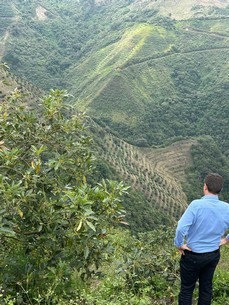 © BaikaThe competition among origins has grown more intense. "Peru is aggressively working for scale, Mexico dominates the U.S. market, and countries like Colombia, Chile, South Africa, Kenya, or Brazil are competing for specific windows and spaces in retail programs. When a large origin increases its volume, the others must adjust strategies through promotions, calibers, or diversifications to other markets," Ruete highlighted.
From a production and logistics perspective, the real challenge is now not just ensuring fruit availability, but maintaining consistent quality at the right moments. "The system is becoming increasingly less tolerant: any quality issue swiftly leads to complaints and discounts," he warned. Additionally, there is growing pressure on the cold chain and logistical bottlenecks during peak weeks.
Looking ahead, consumer growth continues to be a key supportive factor, fueled by trends in health and convenience. However, Ruete emphasizes that future success will hinge on effective volume management: "The main challenge is to control the supply curve; if volume increases steadily, the market can accommodate it, but if it concentrates too quickly, pressure is unavoidable."
 For more information:
Victor Ruete
Exportadora Baika S.A.
Chile
Tel: +56 96797761
Email: [email protected]
https://baikafruit.com/