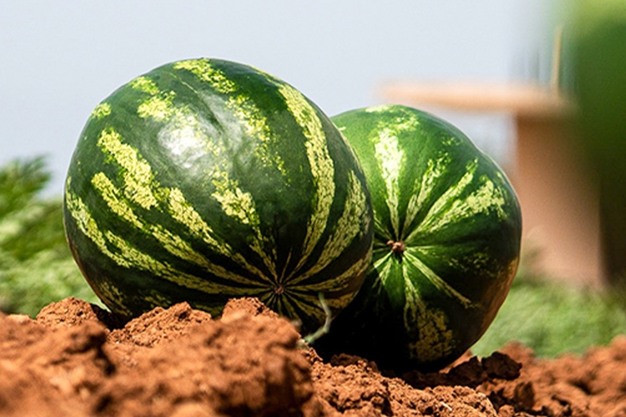
Riding the momentum of last season's success, watermelon plantings in Greece are developing steadily. Mr. Ioannis Koumoundouros, Commercial Director of the propagation material company Agris, which has a presence across the Balkans, notes: "2025 was a year in which cultivation increased exponentially, especially in late plantings. This affected final demand to some extent due to surplus product, particularly during July, August, and September, but the overall balance for the season was positive. This season, for plantings that will take place through May, the market is showing stability with a slight upward trend."
 © Agris
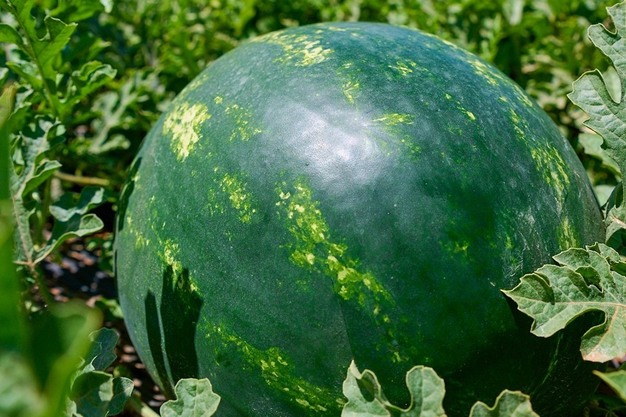
As he explains, early plantings are aimed at exports: "Ultra-early plantings in December–January mainly concern Crete and the greenhouses of Ilia and Trifylia. Early plantings from February until mid-March, which are carried out outdoors but under cover, also include additional regions such as Larissa. This entire segment constitutes Greece's early and primarily export-oriented watermelon production, where round-oval hybrid watermelons that can withstand difficult winter conditions dominate."
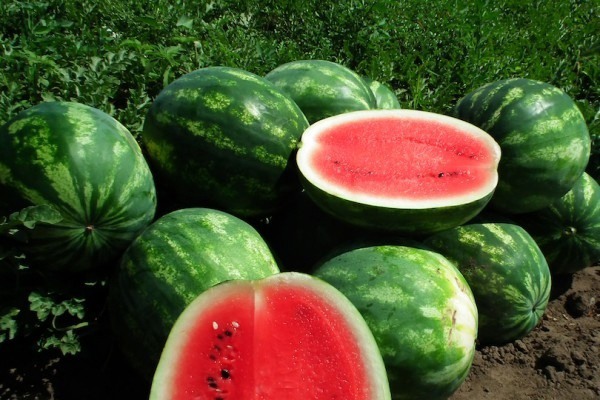
A different case is the next phase of plantings: "Plantings from mid-March through mid-May constitute the main watermelon market in Greece, which is intended primarily for domestic consumption. This segment has undergone the greatest changes in recent years in terms of the types of watermelon cultivated."
 © Agris
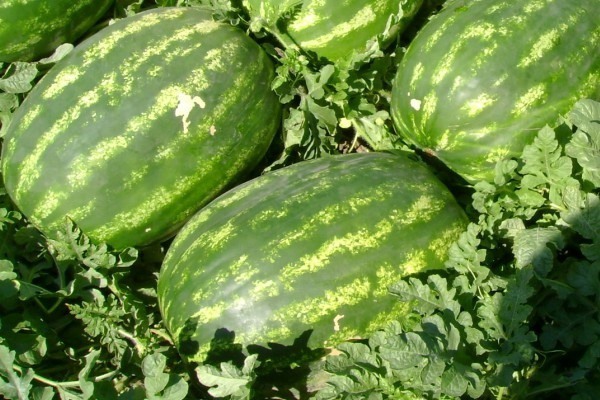
According to Mr. Koumoundouros, "the large volume of plantings related to the main watermelon market from mid-March through mid-May has already been scheduled. Demand is at last year's levels with a slight upward trend. The types are mainly oval, large watermelons, mini watermelons, which are showing stability, and seedless watermelons, which are demonstrating strong momentum and exponential growth over the past three years, mainly due to the ease of distribution through supermarkets."
"It appears that seedless watermelons are the new trend in watermelon consumption. In particular, seedless watermelons of various types, light weight, medium weight, and different flesh colors constitute the new bet for producers in watermelon cultivation and will play a leading role in the coming years in changing consumers' dietary habits."
 © Agris
So far, planting operations are progressing smoothly. "The professionalism that characterizes this market leads producers to plan and schedule their crops much earlier than in the past. As a result, at this moment, almost all plantings through May have been scheduled."
"Ultra-early and early plantings in Crete and in Ilia and Larissa are progressing smoothly. Ultra-early and early production depend to a very large extent on weather conditions. However, the professionalism of watermelon producers in Greece, along with the investments they make in cultivation, results in minimizing the risks of loss or reduction of early production, so there is optimism that early watermelon production will develop smoothly," comments Mr. Koumoundouros.
 © Agris
Agris' recommendations to producers concern the use of propagation material both at the level of seedlings and hybrids, as well as at the market level. "Because watermelon cultivation is now highly professional and of significant value, planning should include partnerships that provide security and quality. The use of propagation material that ensures safe, high-quality, and efficient quantitative production is a parameter that allows no compromises. The market and consumers' dietary habits change year by year, so producers must map the market in such a way as to always be one step ahead of developments and remain essential," concludes the Commercial Director of Agris.
For more information:
Ioannis Koumoundouros
Agris
Tel: +30 233 305 3500
Email: [email protected]
https://www.agrishorticulture.com/en