Rwanda has launched a new export initiative aimed at improving market access for agricultural exporters targeting West and Central Africa. The program is led by the National Agricultural Export Development Board and focuses on direct air cargo shipments of domestically produced fruit and vegetables.
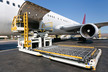
The first shipment under the initiative departed on January 21, 2026, using a direct cargo flight carrying 17 tons of produce grown in Rwanda. The consignment consisted mainly of fruits and vegetables destined for regional African markets.
Under the scheme, NAEB provides exporters with access to packhouse facilities for aggregation, cold storage for quality preservation, packaging services, and coordinated transport to international destinations. The approach is intended to simplify export processes and reduce losses linked to delays.
The initiative aligns with Rwanda's Second National Strategy for Transformation and Vision 2050, and supports trade flows under the African Continental Free Trade Area framework. The focus is on strengthening intra-African trade alongside existing overseas export channels.
NAEB Chief Executive Officer Claude Bizimana said exporting agricultural products on direct cargo flights supports the country's objective of increasing exports. "The step we have taken as NAEB to export agricultural products without stopovers is the result of strong collaboration between NAEB and various stakeholders, including Rwanda's embassies in different countries," he said.
"This export model enables international exporters to access African and other markets more easily and quickly, helping them avoid losses caused by delays. At the same time, it increases the foreign exchange earnings of our country," Bizimana added.
In addition to African destinations, Rwanda's fruits and vegetables are exported to the United States, Europe, Asia, and Australia. The January shipment to Brazzaville was transported on a direct Kigali–Brazzaville flight without stopovers.
Rwanda has invested in air transport infrastructure, packhouses, and cold storage facilities to support agricultural trade. These assets allow produce to be stored for longer periods while awaiting shipment. According to NAEB, shared processing and storage facilities reduce barriers for exporters. Bizimana said the ability to ship without stopovers was enabled by cooperation agreements signed with the Rwandan Embassy in the Republic of Congo in 2025, alongside national transport investments. "The aircraft carrying agricultural produce, mainly fruits and vegetables, flew directly without stopping anywhere," he said.
The shipment followed a working visit by NAEB's CEO to the Republic of Congo in December 2025, which focused on addressing limited cargo space and long delivery times to Central and West African markets.
Between January 12 and 16, 2026, Rwanda exported 9,185 tons of agricultural and livestock products, generating more than US$15 million in revenue. Over the period from 2020 to 2025, export revenues from horticulture and floriculture increased from US$28.7 million to more than US$86 million.
Source: The New Times