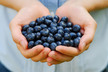
Fresh fruit consumption among children in Europe remains limited, with only 42.5% of children aged six to nine eating fresh fruit daily, according to the World Health Organization. At the same time, weight-related health concerns are rising. WHO data show that around 160 million children and adolescents aged five to 19 worldwide were classified as overweight or obese in 2022.
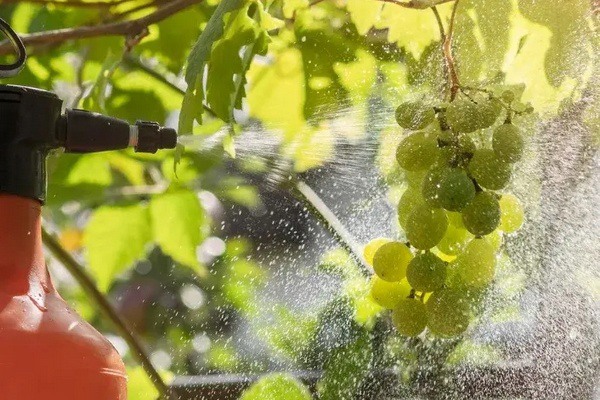
Consumer concern about pesticide residues on fruit has also increased. A 2024 study by Pesticide Action Network Europe reported a 220% increase in PFAS detections on fruit between 2011 and 2021. Foodwatch Netherlands reported in 2024 that average pesticide residue levels in the top 10 fruits consumed by children rose by 17% over the same period. PFAS residues were also detected on 20% of snacking vegetables marketed to children, according to Kassa figures published in 2025.
 © eosta
Against this background, organic fruit importer and marketer Eosta announced the launch of a children-focused fresh fruit concept under the name Organic Fruit Heroes. The initiative targets declining fruit consumption among young children and rising parental concerns related to pesticide exposure.
The launch comes as the European children's food and beverage market continues to expand. According to Renub Research, the market is expected to grow from $28 billion in 2024 to $46 billion by 2033.
Organic Fruit Heroes focuses on fresh, organic fruit as an alternative to processed snack products commonly marketed to children. The range includes apples, pears, kiwifruit, mandarins, and grapes, with availability depending on seasonal supply and consumption preferences. Products are packed in child-oriented cartons that include interactive elements, such as stickers.
The concept also includes online content accessed through QR codes on the packaging. In-store presentation is supported by shelf crates and floor displays designed to be accessible for younger consumers.
Eosta said the initiative reflects broader shifts in the children's snack market, where parents increasingly seek options aligned with dietary considerations and ingredient transparency.
"In the 'kid snacks' market segment, there is an increasing demand for health-conscious snack alternatives, and organic, non-GMO, natural ingredients," said Jeanine Somefun-Wolthuis, Marketing and Sustainability Manager at Eosta. "European parents are increasingly cognizant of their children's dietary choices."
The company positions the concept within ongoing discussions around nutrition, food safety, and changing consumption patterns among younger consumers in Europe.
Eosta will be exhibiting at Fruit Logistica 2026 in Hall 3.2, Stand A-50.
 © eostaFor more information:
Eosta
Tel: +31 (0) 180 63 55 00
Email: [email protected]
www.eosta.com