Australian consumers have access to fruit throughout the year, even when products are outside their natural harvest window. Apples harvested in February 2025 may still be available for sale in 2026, supported by storage technologies that slow ripening and extend shelf life.
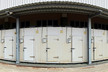
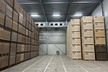
Across Australia, cool rooms and storage facilities are used to keep fruit and vegetables fresh for extended periods, in some cases up to a year. One of the main technologies applied is controlled atmosphere storage, which regulates oxygen and carbon dioxide levels to slow biological processes.
Tim Riley, manager of the Orange Fruit Growers Co-Op in Central West New South Wales, explains how the process works. "The fruit gets picked at its optimum maturity, comes to us, is dipped to stop fungicides, and is put into a cool room at around 2 degrees," he said. "Then we'll pull that room down to controlled atmosphere conditions, which is 2 per cent of oxygen and a bit lower CO2 levels, so we virtually put the fruit to sleep."
Under these sealed conditions, fruit is stored for around three months before the room is reopened. About one quarter of the produce is removed, after which the room is resealed for another storage period. According to Riley, this cycle can continue for six to eight months. "When you're looking at a supermarket that's got fruit on the shelf every week, it's only picked in a three-month window," he said.
According to Apple and Pear Australia, 99.7 per cent of apples sold in Australian supermarkets come from domestic orchards. Jeremy Griffith, head of industry at the organisation, said year-round supply plays a role in food availability and wastage management. "We're able to provide fresh, nutritious food throughout the year, which is great and dramatically reduces food wastage," he said.
From a nutritional perspective, stored fruit maintains similar characteristics to freshly harvested fruit. John Golding, senior research scientist with the Department of Primary Industries and Regional Development, said that ripening processes continue in storage. "The ripening might be slower, but that's the idea of cold storage; it will still go through its same processes," he said. He described stored fruit as an extension of fresh produce.
Cold storage is not a modern concept. Research from Princeton University's Department of Classics notes that Roman societies used underground limestone structures, pots, and ceramic vessels to protect food and reduce spoilage. Caroline Cheung, author of Managing food storage in the Roman Empire, wrote that temperature reduction slowed respiration and senescence in stored produce.
Modern electric refrigeration expanded these practices. As Golding noted, "Meat from Tasmania and NSW sent back to England, and apples from Tasmania back to the UK used refrigeration over 100 years ago. We were sending fruit long distances and long times in storage."
Source: ABC News