Increasing climate variability, soil degradation, and rising input costs are prompting farmers to re-evaluate crop management strategies. One area receiving growing attention is the use of biostimulants, particularly seaweed-based products, to support nutrient efficiency, crop development, and tolerance to environmental stress.
 © Kelp Blue
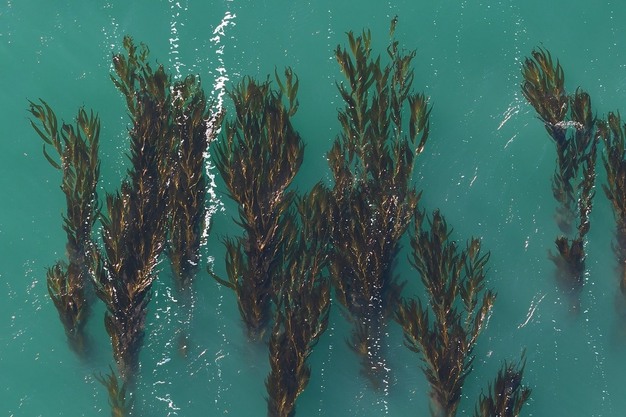
Seaweed biostimulants have long been used in agriculture, but consistency of supply and composition has become a concern. Wild-harvested seaweed can vary significantly depending on location, season, and harvest conditions, which may affect product uniformity. At the same time, tighter harvesting quotas and expanding environmental regulations are placing additional constraints on supply chains. As a result, offshore cultivation of seaweed is emerging as an alternative production model within the sector.
 © Kelp Blue
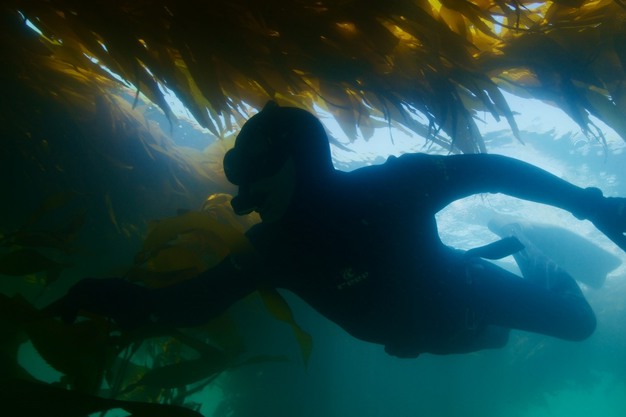
Kelp Blue produces agricultural biostimulants derived from cultivated Giant Kelp (Macrocystis pyrifera), grown on offshore structures. According to the company, cultivated kelp allows for greater traceability and more consistent raw material characteristics than wild-harvested sources. Harvesting is limited to partial trimming of the canopy, with the majority of the kelp plant left intact in the water.
 © Kelp Blue
Performance and formulation considerations
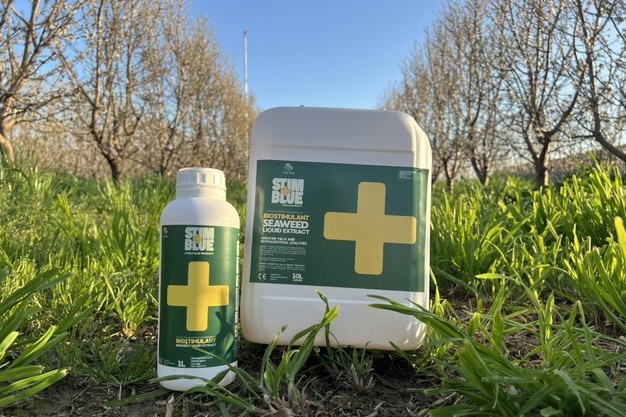
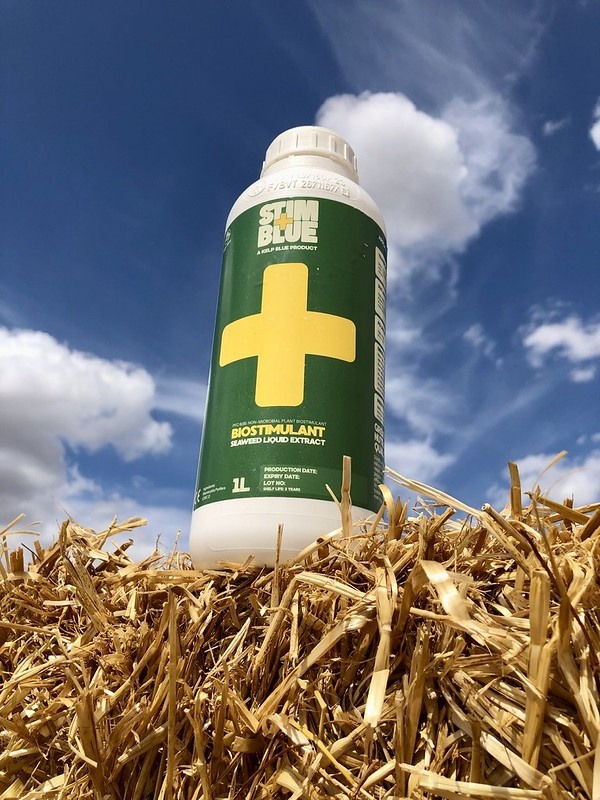
One of the company's biostimulant products, StimBlue+, is used across a range of crops, including cereals, oilseeds, vegetables, berries, orchards, and vineyards. According to trial data referenced by the company, third-party studies conducted with Biome Makers and Champagne Experimentation reported reduced incidence of powdery mildew in grape production.
The product is formulated using a low-pH extraction process (pH 4–5), which affects miscibility and handling characteristics when mixed with other crop inputs. Lower pH formulations are typically associated with easier tank mixing and application compared to higher pH alternatives. The formulation is designed to support crop development during the transition from vegetative to reproductive stages, with reported effects on flowering, photosynthetic activity, and fruit uniformity. Due to its concentration, application rates are lower than those used for some conventional seaweed-based products.
Cultivated seaweed and sector trends
The use of cultivated seaweed as a raw material for agricultural inputs is expanding, reflecting broader discussions around supply stability, environmental impact, and regulatory compliance. According to Kelp Blue, interest in cultivated seaweed biostimulants is increasing as growers and distributors place more emphasis on consistency, traceability, and long-term availability.
 © Kelp Blue
Anouk Bosman of Kelp Blue notes that customer demand is shifting toward cultivated sources, citing production reliability and supply security as key factors alongside agronomic performance.
Founded in 2020, the company employs close to 100 people worldwide and reports having commercial operations and product registrations in Latin America, the United States, Asia, Africa, and Europe.
 © Kelp Blue
Kelp Blue will present its cultivated seaweed biostimulant portfolio, including StimBlue+, at Fruit Logistica Hall 1.2, Booth B12.
 © Kelp BlueFor more information:
Anouk Bosman
Kelp Blue
Email: [email protected]
www.kelp.blue