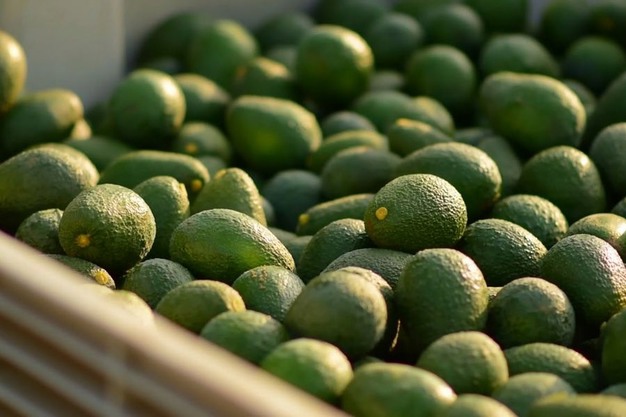
In the U.S., there is a movement from consumers and retailers to support sustainable methods of farming and as part of that, the marketplace started looking into deforestation taking place in the avocado industry in Mexico. In response, the Mexican government has put in place a pro-forest certification, which is a systematic way to ensure that avocado production is carried out in a sustainable, responsible manner and aligned with the conservation of forests and water resources. "Credits to the Mexican government for embracing a third party as well as industry experts, monitoring forestation in a structured way," says Andy Bruno, President of Naturipe Avocados.
 © Naturipe Farms
Differentiating compliant ranches from harmful ones
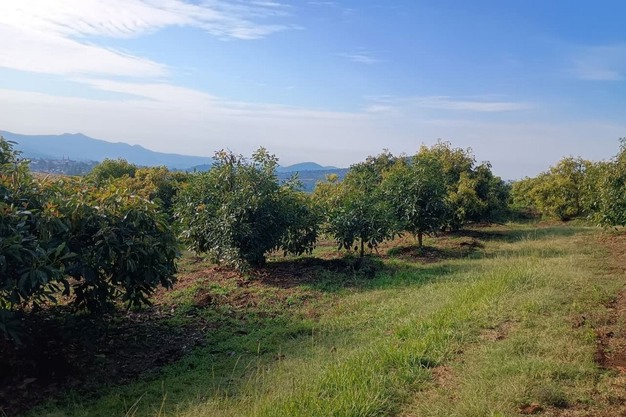
Prior to the development of a certificate, many growers and packers had already implemented conservation practices, used water efficiently and applied reforestation efforts in their communities. However, until the certification became official, there was no clear way to differentiate these growers and packers from those who have engaged in harmful practices. "At Naturipe as well as our packing house Baika, we were already taking action and believed in the importance of taking care of the land and forest well before the certification existed," explained Bruno. Since the company already monitored deforestation and embodied the practices, it was one of the first packing houses in Mexico to receive the certification. It is a seal of trust and transparency that identifies producers who have demonstrated a genuine commitment to environmental conservation, ensuring that their orchards do not come from deforested lands or areas affected by intentional fires.
"I believe it is a competitive differentiator," Bruno said. Retailers that source from compliant packing houses can trust that these avocados come from sustainable farming practices. It highlights the ongoing commitment to sustainability across Mexico's avocado-growing regions and strengthens confidence throughout the supply chain. For the industry, meeting these standards helps maintain strong relationships with U.S. retailers who are closely connected to their shoppers.
"This initiative isn't just a one-off for the U.S. and Mexico," he added. It is a global trend that is happening, but the U.S. is one of the world's largest consumption markets for avocados and Mexico is arguably the largest growing origin. "For that reason, the deforestation developments between the two countries gain a lot of attention." Two of the largest markets have taken a massive step forward promoting the sustainable farming aspect of avocados, managing the land and protecting forests.
 © Naturipe Farms
Adoption accelerates
For growers and packers, a certificate has so far been optional, but retailers are starting to change that trend and increasingly ask for certification from their suppliers. Retailers are serving as a catalyst, accelerating the adoption. Ultimately, whether a packing house wants to apply for the certification or not is still a choice.
Systematic approach supports handling record volume
Not only does certification provide avocados access to large U.S. retailers and change the consumer perception of Mexican avocados, it has also significantly improved efficiencies. Mexico is expecting a record 3-billion-pound avocado crop between July 2025 and June 2026 and with these heavy volumes entering the system, the systematic approach from the certification has really helped in handling those volumes and meeting retailer and consumer demand for avocados. "This past year has shown very well that it is possible to comply with the certification and move and promote a large volume of avocados as an industry," Bruno commented. "In the certification's first year, the process has run extremely smoothly within the industry, and it has not slowed our ability to sell record volumes."
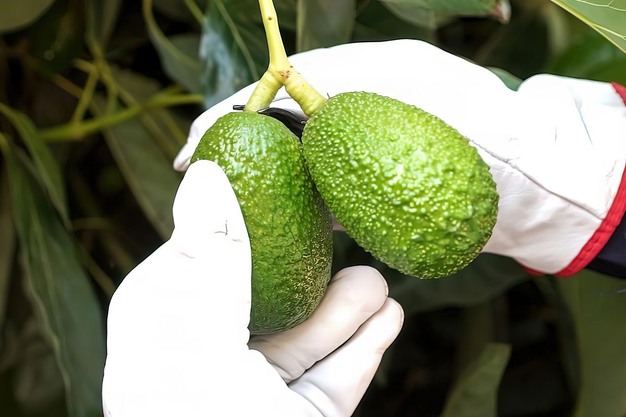
A crop estimate is usually driven by two factors: yield projection from existing trees as well as new acreage that is certified to come to the U.S. "It's a combination of both and that new acreage is worth looking at. It's important to do your due diligence knowing that a new ranch has been introduced and finding out if that ranch is eligible to ship to the U.S. and if it's possible to harvest from that ranch in view of the pro-forest certification.
 © Naturipe Farms
Compostable PLUs
Another initiative from Naturipe Avocados as part of its sustainable farming strategy is the development of compostable PLUs. "We are working with a manufacturer to test compostable PLUs, an initiative we are very excited about." It is another sustainability push and a belief in all the partners that make choices to do better for the environment.
As a result of initiatives like the pro-forest certification, it has been fascinating to watch the development of the Mexican avocado industry. "We continue a growth pattern and are able to grow supply and demand, while embracing sustainable farming practices in place. It's a good story to tell." With heavy volumes expected to continue through the first half of 2026, U.S. consumers are going to benefit from attractive, promotional pricing, coupled with a high-quality avocado that's grown in a sustainable way.
 For more information:
Andy Bruno
Naturipe Avocado Farms
[email protected]
https://www.naturipefarms.com/fresh/avocados/