Salix Fruits announced the start of the winter citrus season with a diversified portfolio that connects growers from both hemispheres to retail, foodservice, and wholesale customers worldwide.
The company's role is to ensure continuity and reliability, sourcing from multiple regions so that citrus remains available 52 weeks a year. "We have become a year‑round citrus supplier, guaranteeing continuity and reliability through diversification of origins. This approach has been key to navigating market volatility and climate challenges", said Alejandro Moralejo, CEO of Salix Fruits.
Contrasting conditions across regions define the 2026 winter season. Production in the United States and Mexico is strong across all categories, ensuring solid supply from North America. Several Mediterranean countries, however, have faced climate challenges, with Turkey experiencing frosts and Spain enduring an unusually wet spring. Morocco and Egypt report more stable conditions, while China continues to play a central role as both producer and consumer, supplying Russia and other regions while absorbing much of its own production domestically.
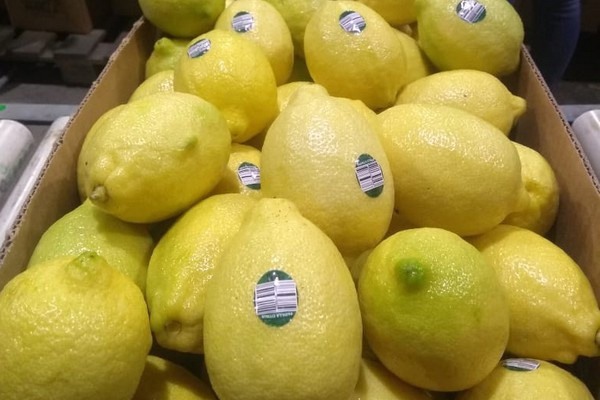 © Salix Fruits
Key varieties in the winter program include high‑quality oranges from Mexico for fresh‑squeeze programs in the U.S. market, Moroccan mandarins, Egyptian oranges serving customers across Asia, Europe, and South America, and California lemons, which remain a cornerstone of the company's winter citrus offering. Argentina and Chile also play an essential role in supplying lemons and mandarins, while Mexico continues to be critical for limes.
Challenges remain, particularly in Mediterranean markets where lower volumes are creating pressure for higher field prices, though it is uncertain whether the market will validate those levels. In contrast, the U.S. market faces oversupply, which is putting downward pressure on prices. Imported oranges have benefited from the suspension of tariffs, supporting competitiveness, although tariffs remain in place for other citrus categories. "It will be a challenging year to balance growers' price expectations with market realities," Moralejo said.
Salix Fruits continues to strengthen its partnerships with trusted growers, building long‑term relationships that ensure stability and reliability. Quality control teams are present both at points of origin and at destinations, safeguarding consistency and delivering dependable supply throughout the winter months. The company is also expanding its sustainability and organic programs, having launched organic lemons from Argentina for the U.S. market and now preparing shipments to Europe.
"Innovation is central to our strategy. We use market intelligence to anticipate demand, explore new origins to diversify risk, and apply digital tracking systems to improve efficiency and transparency," added Moralejo. Looking ahead, the outlook for citrus remains positive, driven by health‑conscious consumers.
Opportunities lie in differentiation through sustainability, convenience, and premium offerings. Easy‑peel mandarins, organic lemons, and high‑quality oranges are categories with strong growth potential. "By combining reliable supply, innovation, and sustainability, we are well-positioned to continue expanding globally," said Moralejo.
 For more information:
Salix Fruits
[email protected]
www.salixfruits.com