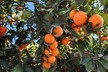
Florida's orange harvest is forecast to decline to its lowest level in nearly a century, as continued grove removals outweigh gains in yield. According to the first outlook for the 2025–26 season from the US Department of Agriculture, Florida is expected to produce 12 million boxes of oranges, down 2% from the previous season. This would be the lowest output since 1930.
The decline reflects a continued reduction in bearing acreage following prolonged disease pressure and storm damage, including the effects of Hurricane Milton at the end of 2024. Orange production in the state has fallen sharply since the early 2000s as citrus greening disease has affected tree health and longevity. While new treatments have improved performance in some infected trees, these gains have not offset the overall loss of groves.
Any recovery in total output is expected to take time. Producers could plant between two and five million trees during the year following the allocation of nearly US$140 million for the citrus industry in Florida's 2025–26 budget, according to Marisa Zansler, director of economic and market research at the Florida Department of Citrus. However, newly planted trees typically require three to five years before reaching production.
"It'll be a process to see the overall fruit count increase," said Matt Joyner, chief executive officer of Florida Citrus Mutual. "That's going to take a number of years to get that broader number up."
In juice markets, US consumers may see price pressure ease earlier. Orange juice futures have fallen more than 60% from their December 2024 peak, as Brazil, the world's largest orange juice producer, expects production to rebound in the 2025–26 season after its smallest crop in 36 years. The most active contract in New York declined as much as 7.4% on Monday, the steepest fall in over two months, to US$1.8865 per pound.
Changes in regulatory standards may also influence juice utilization. In November, the US lowered the minimum sugar content requirement for pasteurized orange juice, which could allow a larger share of Florida fruit to be used for processing. Most oranges grown in Florida are destined for juice production, while California focuses more heavily on fresh fruit markets.
California's orange output is forecast to rise by 1% year on year to 45.5 million boxes in the 2025–26 season. This increase is expected to help keep total US orange production broadly stable despite the continued decline in Florida.
Source: Insurance Journal