Shifts in global beverage consumption and rising use of tropical ingredients are influencing supply chains and opening opportunities for producing countries with year-round fruit availability. Within this context, Vietnam's tropical agricultural products are increasingly positioned within the global beverage value chain.
According to the Food and Agriculture Organization of the United Nations, global consumption of plant-based products, including fruits and fruit-based beverages, continues to grow, including in the Middle East. Limited arable land and water resources mean the region imports more than 80 per cent of its food needs, increasing reliance on external suppliers.
Vietnam is expanding its role in this environment, supported by its tropical climate and production base. Data from the Ministry of Agriculture and Environment show export turnover of agricultural, forestry, and fishery products exceeded US$53 billion in 2024. Fruits and processed fruit products recorded double-digit growth, reflecting a shift toward processed applications linked to beverages.
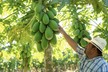
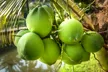
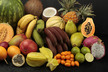
The country's tropical monsoon climate supports year-round production across key regions such as the Mekong Delta, the Southeast, and the South Central Coast. By 2024, Vietnam's fruit-growing area exceeded 1.2 million hectares, with an annual output of more than 13 million tons. Main juice fruit crops include mango, pineapple, passion fruit, banana, and coconut, all widely used in juices, smoothies, and plant-based beverages.
On the demand side, growth in non alcoholic beverages and plant-based drinks is supporting demand for processed fruit ingredients. Statista projects the global non alcoholic beverage market to exceed US$1.2 trillion by 2027, with the Middle East among the fastest-growing regions.
This shift is visible at Gulfood Dubai 2026, taking place from January 26 to 30 at the Dubai World Trade Centre, where Vietnamese companies such as THABICO are exhibiting in the Beverage Hall. Product ranges include NFC juices, concentrates, fruit purée, IQF products, and coconut-based ingredients for beverage formulations, with processing aligned to HACCP, ISO, and Halal standards.
The growing presence of Vietnamese processors at international trade events reflects their increasing integration into global beverage supply chains through processing capacity, consistency, and compliance requirements.
Source: VnEconomy