The global fresh produce market has seen the arrival of a new player with big ambitions: Rwanda. The country has many advantages, such as a climate, soil, and water that are excellent for agriculture, and it offers a wide range of fruits and vegetables. However, Rwandan players still lack experience in global trade, and this is where the Rwanda Horticultural Exporters Association (HEAR) comes into action. Sonia Umurungi, vice president of the association, describes the work of the association and the pressing issues it is currently tackling.
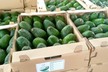
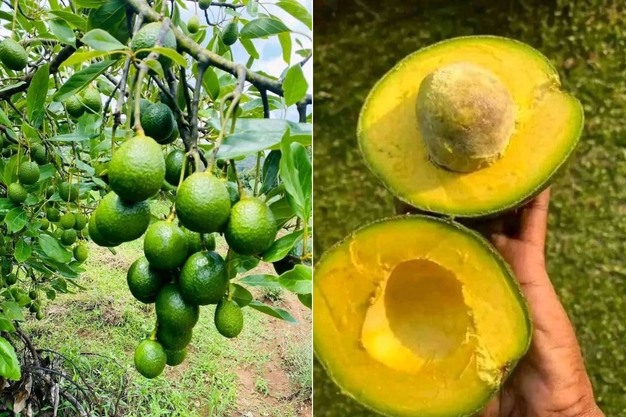
Umurungi states: "Our association was founded in 2015 and restructured in 2024 to support the growth of Rwandan exports of fresh produce and address the urgent issues that come with it. We now count 37 members, who have joined forces to pool their efforts covering a wide range of products, including avocados, specialty vegetables, chilies, cherry tomatoes, melons, French beans, and many more."
 © Horticulture Exporters Association of Rwanda
The association's desk deals with urgent issues as well as long-term projects. Umurungi gives an example: "This year, for example, we addressed the issue of packaging quality and involved the Rwandan government to ensure that exporters' requirements were met. This has resulted in the setup of a warehouse dedicated to storing packaging materials in good conditions for onward distribution to our members. This is an example of swift and effective action to resolve issues that may arise in the export stream."
The association is also working on innovative solutions to promote Rwandan origin, as part of two ongoing projects, the AGRA project to improve market access and inclusion in the Rwandan horticultural value chain, and the CEHA project, the COMESA-EAC horticultural accelerator. "Among our key initiatives, we are working on the upcoming launch of a digital information platform on the avocado sector, where agents will answer various questions from producers, exporters, and international buyers on topics such as seasonality, sizes, and the harvesting process. The platform will be launched in April 2026."
HEAR also assists its members in identifying and accessing funding opportunities and facilitating their participation in international trade fairs. Umurungi adds, "We work closely with the government and international organizations to represent the interests of our members. We are also collaborating with our counterparts in neighboring countries, such as Kenya and Tanzania, to exchange knowledge and best practices and benefit from their long experience in this industry."
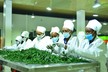
"One of the most critical issues we are currently working on is upgrading exporters' capacity in terms of necessary certifications to access the European market. We are currently supporting 16 companies in the process of obtaining GlobalG.A.P. certification, although the decision is individual and will ultimately be up to them whether or not to obtain certification. We are aware that Rwanda's competitiveness in the fresh produce industry will not come through mass production but rather by targeting premium markets in limited volumes, which makes certification and adaptation to the most stringent requirements of destination markets a top priority," Umurungi concludes.
 For more information:
Sonia Umurungi (vice president)
Horticulture Exporters Association of Rwanda (HEAR)
Tel.: +250 788 552 317 (Rwanda)
[email protected]
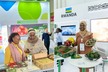
For more information on the Rwandan fresh produce export sector, please contact Charlotte Uwicyeza ([email protected]) of the National Agricultural Export Development Board (NAEB), which will also be present at the upcoming Fruit Logistica: Hall 26, Stand C-61. A joint booth with Rwandan companies can be found at Stand B-80 in Hall 26. Click here for an overview of Rwandan fresh produce exporters.