The Turkish mandarin season has been a positive one, even setting a new record in terms of export value, says Emel Esin Keskin, owner of Turkish fresh produce exporter Esin Tarim: "2025 marked a significant period for mandarin exports, reinforcing the fruit's position within Türkiye's fresh fruit and vegetable sector. Exports reached USD 615 million in the first 11 months, surpassing the USD 575 million annual record set in 2023 before the year's end."
According to Keskin, this growth was driven by both higher prices and increased volumes. "Mandarin exports rose from 583,000 tons in 2024 to 690,000 tons in 2025. Total production reached 2.13 million tons, with roughly 32% of the crop exported. Including December shipments, this share is expected to increase to 35 to 40 per cent, reflecting a balance between domestic supply and international demand."
 © Esin Tarim
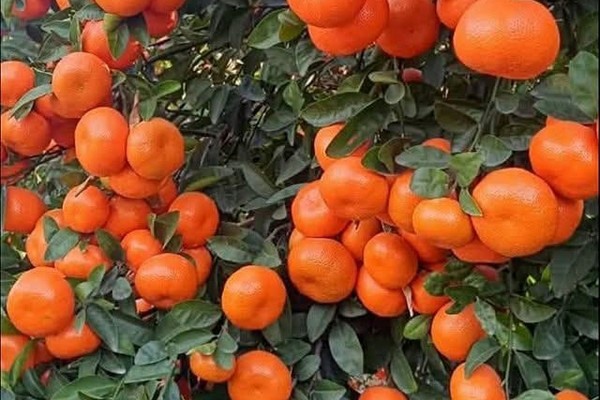
The Turkish weather has made several seasons rather challenging, thanks to the frost. Keskin emphasizes that this hasn't been the case for the mandarins, which have actually seen an increased yield this year: "Mandarins proved resilient under challenging climate conditions. While frost affected several fruit categories, mandarin yields in some regions increased by 40–50%, supporting both producer income and export continuity. Export-oriented varieties such as Satsuma, Nova, and W. Murcott continued to strengthen Türkiye's presence in quality and product diversity."
Keskin states that the export markets for Turkish mandarins have also diversified last year: "Export markets also shifted in 2025. Russia remained the largest destination, with exports valued at USD 239 million. Iraq recorded a sharp increase, rising from USD 40 million in 2024 to USD 203 million in 2025, placing it ahead of Ukraine, which ranked third with USD 48 million."
As a product, mandarin has outperformed both tomatoes and lemons when looking at the export values, Keskin explains: "Mandarins emerged as the leading export among fresh fruit and vegetables, surpassing tomatoes (USD 348 million) and lemons (USD 336 million). By year-end, exports are expected to reach USD 750–800 million, bringing the medium-term target of USD 1 billion closer."
There are still steps to take to improve the mandarin industry as a whole, Keskin states. "Looking ahead, sustaining growth will require continued attention to quality standards, logistics, and cold-chain infrastructure. Expanding market diversification and positioning mandarins as a value-added product rather than a bulk commodity will be key to long-term export stability," she concludes.
For for information:
Emel Esin Keskin
Esin Tarim
Tel: +90 537 617 56 29
Esin@esintarım.com.tr
www.esintarim.com.tr