Under Section 801 (21 USC 381) of the Federal Food, Drug, and Cosmetic Act, imported food products may be refused entry into the United States if, based on examination, they appear to have been produced under insanitary conditions, are adulterated or misbranded, fail to comply with Foreign Supplier Verification Program (FSVP) requirements, or lack required records, including traceability documentation.
This "appears from examination" standard applies at the border and differs from the domestic provision under Section 301(a) of the Act, which prohibits the introduction into interstate commerce of food that is adulterated or misbranded. As a result, imported fresh fruit and vegetables are subject to a different regulatory threshold than domestic products.
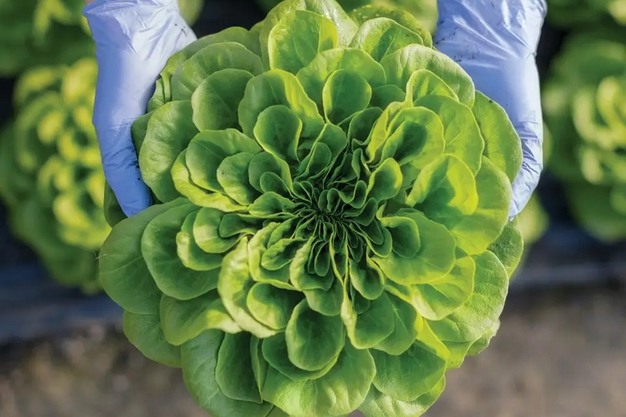 © Western Growers
An ongoing discussion within the sector concerns the enforcement of FSVP requirements by the U.S. Food and Drug Administration. A review of FDA data shows that 38 FSVP Warning Letters were issued in 2024, of which 19 involved importers of fresh produce, representing about 40 per cent of the total. Ten of those letters were issued by the FDA's Division of Southwest Imports, indicating that a large share related to southwest border entry points.
The warning letters cite failures to maintain required records demonstrating compliance with FSVP. FDA records also show cases where importers received multiple FSVP inspections identifying non-compliance before a Warning Letter was issued, with the interval between initial findings and enforcement extending over several years. During this time, the import activity continued.
The warning letters state that the importers were not compliant with Section 805 of the Act, which outlines FSVP obligations. The absence of required records raises questions about how product safety is verified when documentation is unavailable at the time of entry.
Comparisons are often made with domestic producers, who are generally required to provide food safety records throughout the supply chain unless classified as very small operations. For domestic growers, regulatory actions can trigger follow-up inspections, pathogen testing, fees, corrective actions, and potential impacts on Global Food Safety Initiative certification and commercial relationships.
Foreign producers supplying non-compliant importers may not face equivalent downstream recordkeeping obligations once products enter the U.S. supply chain, depending on distribution channels. This difference has led to debate about whether regulatory compliance costs are applied consistently across domestic and imported fresh produce.
U.S. fresh fruit and vegetable production has been declining due to multiple cost pressures, including regulatory compliance. Within this context, questions remain about how the enforcement of existing food safety requirements at the border affects competition, supply chain accountability, and domestic production.
 For more information:
Western Growers
Tel: +1 949 863 1000
Email: [email protected]
www.wga.com