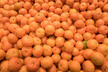
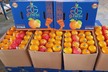
Pakistan's citrus sector has the capacity to expand exports and lift annual earnings to around US$1 billion within the next six years, according to assessments cited by the Pakistan Horticulture Export and Development Company. The outlook is linked to the introduction of new citrus varieties, higher quality standards, and expanded value-added processing.
Shoaib Ahmed Basra, Member Board of Directors of the Pakistan Horticulture Export and Development Company under the Ministry of Commerce and chairman of the PHDEC Citrus Export Sub-committee, said industry analysis indicates the target is achievable as growers adopt seedless, early- and late-season varieties alongside updated production and post-harvest practices.
Pakistan's citrus exports reached around US$250 million in 2021, demonstrating existing export capacity. "This performance highlights the strength of our growers and exporters," Basra said, adding that access to higher-value markets would depend on aligning production with international varietal preferences.
He noted that moving beyond Kinnow into mandarins, tangerines, clementines, oranges, lemons, and grapefruit would allow exporters to extend the season and diversify market access. Strengthening certification systems, traceability, clean nursery practices, and the use of imported germplasm were also cited as areas that could support competitiveness.
Basra highlighted the potential for developing citrus clusters, including on virgin land in the Potohar region, to support modern export-oriented orchards. "Kinnow remains the backbone of our citrus industry and has served Pakistan extremely well for decades," he said. "At the same time, global demand is evolving, and by aligning our production with international preferences, we can unlock new growth opportunities."
For the current season, Pakistan is expecting a Kinnow crop of around 2.8 million tonnes, almost double the previous year's output. According to Basra, higher production volumes increase the scope for value addition and export diversification. He pointed to processed citrus products such as juices, concentrates, and packaged beverages as areas with potential due to longer shelf life and different market channels. "Globally, value addition drives growth, and Pakistan has the raw material base to build a strong citrus processing industry," he said.
Pakistan currently exports citrus by sea to markets in the Middle East, Indonesia, and the Philippines, with volumes expected to rise. Central Asian markets are also being considered due to proximity and demand.
Ranked as the world's 18th-largest citrus exporter, Pakistan's citrus sector accounts for about 30 per cent of total fruit production. Kinnow represents around 85 per cent of citrus output and about 80 per cent of citrus exports. Production is concentrated in Punjab, including districts such as Sargodha, Sahiwal, Toba Tek Singh, Multan, Khanewal, Layyah, and Fateh Jang. Pakistan produces around 90 per cent of the global Kinnow supply, forming the base for a more diversified export programme.
Source: APP