For Ukrainian vegetable and berry producers, 2025 has been marked by weather-related losses, logistical disruption linked to the war, and uneven profitability. According to assessments shared by Taras Bashtannyk, President of the Ukrainian Fruit and Vegetable Association, outcomes differed sharply by crop, with price dynamics often disconnected from farm-level margins.
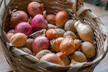
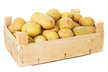
In open-field vegetables, Ukraine faces an oversupply of the so-called borscht set, including onions, cabbage, carrots, beetroot, and potatoes. High prices in the previous season encouraged expanded plantings, resulting in excess volumes in 2025. Current market prices for several of these crops are below production costs. Producers with modern storage facilities may still avoid losses by selling later in winter or early spring, when prices may recover. Many smaller growers prefer to sell immediately rather than store, due to uncertainty around power supply and logistics.
Greenhouse vegetables show a different pattern. Ukraine has a limited number of greenhouse operations focused mainly on cucumbers and tomatoes. Winter production remains constrained by high energy costs, making domestic produce more expensive than imports, particularly from Türkiye. This structure has not changed materially.
Apples performed better in 2025. Harvest volumes were higher than in the previous year, and prices remained supportive. Farmgate prices of approximately 20–30 hryvnias per kilogram (about US$0.53–0.80) allowed professional growers to remain profitable. Export prices were somewhat higher but came with additional costs. Sector representatives stress that reinvestment is needed in storage and post-harvest infrastructure rather than orchard expansion.
Pears remain a niche crop with limited volumes and consistently high prices. Domestic supply does not meet demand, and imports from Belgium and the Netherlands remain present on the market.
Berry production was heavily affected by the weather. Strawberry volumes were around half of the previous year, with losses of up to 90 per cent in early varieties due to late spring frosts. Prices doubled year on year, rising from about 60 hryvnias per kilogram to 120–130 hryvnias (around US$3.20–3.50), partially offsetting yield losses.
Blueberries also recorded losses, ranging from 20–30 per cent in early varieties to as much as 90 per cent in Zakarpattia, and up to 100 per cent in some mid-season varieties such as Bluegold. Prices increased by around 40–50 per cent year on year. Export volumes did not reach records, but shipments to Europe and the United Kingdom continued to expand.
Raspberries showed the most stable performance. Despite frost-related losses in summer varieties, processors paid about 110–120 hryvnias per kilogram (around US$2.90–3.20). Export values reached new highs for the second consecutive year, with further growth potential.
Storage shortages, weak logistics, and export constraints remain structural issues. As Bashtannyk stated, "In Ukraine, there is a chronic shortage of storage capacities."