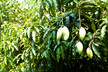
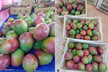
Canary Islands papaya producers are warning that the European Union's pending free trade agreement with Mercosur — Brazil, Argentina, Uruguay, and Paraguay — could threaten their fledgling export market. Farmers have expressed strong opposition, joining protests in Brussels alongside colleagues from across Europe, including France and Italy, where the agricultural sector has also resisted the deal.
The treaty, now postponed until January, raises particular concerns for producers in Gran Canaria and Tenerife, who have allocated hectares to papaya cultivation for export to countries such as Germany, Switzerland, and Austria. Gustavo Rodríguez, spokesperson for the Provincial Federation of Exporters of Fruit and Vegetable Products of Las Palmas (Fedex), notes the challenge posed by Brazil, the world's largest papaya producer, whose cheaper prices could undercut local growers.
Small producers, including cooperatives such as San Nicolás de Tolentino's COAGRISAN, fear unfair competition. Marcelo Rodríguez highlights disparities in labor practices and agricultural standards between Mercosur countries and Europe, which could disadvantage Canary Islands farmers.
Rodríguez warns that imported papayas could be favored by processors and buyers for their lower costs, creating a chain reaction that undermines local production. With the sector increasingly diversifying toward papaya for export, producers argue the agreement risks significant economic harm, threatening both the viability of local farms and the livelihoods of those dependent on the Canary Islands' emerging papaya industry.