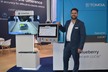
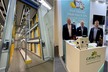
Where French fries and other products roll off potato processing production lines, Smicon machines are often at work. This Dutch family-owned company develops and manufactures equipment that adds value to food processing waste streams. "We specialize in upgrading potato processing byproducts," says International Sales Manager Joep Ehren. "We do that worldwide, from Europe to Australia, with machines that convert waste products into animal feed or biogas."
 © Smicon
From agricultural roots to recycling expert
Tonnie and Gerthy Smits laid Smicon's foundation in 1980 with A. Smits Constructies, which built barn and feed systems for the agricultural sector. In the mid-1990s, the company developed the first shredders and grinders for potato waste streams, marking the start of its specialization in processing residual flows. Since changing its name to Smicon in 2004, the family business has grown into an international player in recycling technology, with hundreds of installations worldwide.
Smicon now focuses primarily on processing supermarket and restaurant waste streams, separating packaging from organic material. "That's our largest market," says Joep, "but the potato sector remains an important base. Almost all major European potato processors use our machines."
 © Smicon
Three frontrunners
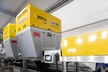
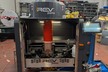
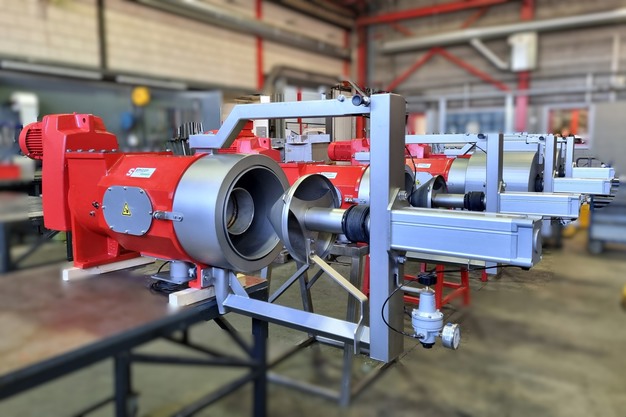
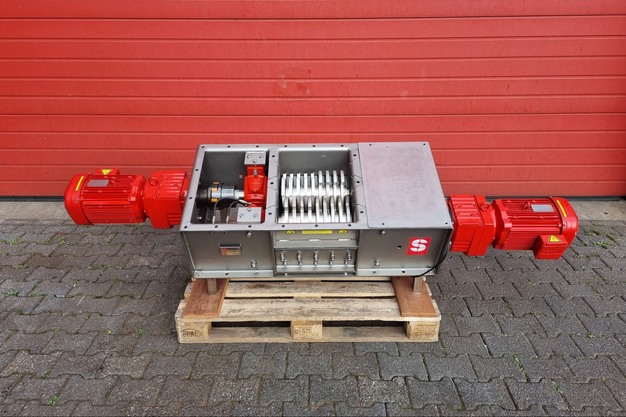
Key products in the French fry sector are shredders, grinders, and screw presses. Shredders reduce rejected potatoes for animal feed or other uses. Grinders process steam-peeled potatoes into a uniform mash for pig feed. Screw presses extract liquid from residual flows, simplifying logistics and reducing transport costs and CO₂ emissions. "The goal is always the same: make waste streams useful, sustainable, and economical," Joep explains.
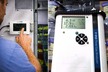
Innovation plays a key role. Hard materials like stones, bolts, and even shrapnel can damage machines, so Smicon developed an application that separates heavy particles, collecting them separately. That reduces wear and tear and breakdowns. That innovation is integrated into both new and existing machines. Smicon also invests in comfort and ease of use: sound enclosures reduce grinder noise, and remote servicing makes maintenance easier.
 © Smicon
Building machines that last decades
Sustainability is central, both environmentally and economically. Residual flows are converted into animal and insect feed or biogas, minimizing energy consumption and transport. Smicon also works sustainably internally, with gas-free production, European procurement, recyclable workwear, and ergonomic workplaces.
Despite its global expansion, the company's culture remains familiar. "We don't leave until a client is running at 100%," says marketer Indy Aengenend. Innovation is vital, too, and the company's R&D department extensively tests new applications with customers. Smicon machines are robust and easily last 25 years. "We don't make disposable products. Our machines run for decades, and that fits with who we are and the sustainable future we want to achieve," concludes Joep. (JG)
For more information:
Smicon
Tel: +31 (0)485 45 33 96
[email protected]
www.smicon.nl