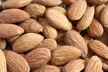
The demand for dried fruit and nuts is rising, says Barbara Niemans, secretary of the Dutch Dried Fruit Association (NZV). "Our products are increasingly seen as healthy snacks or breakfast foods. Nuts used to be considered too fatty, but studies show they contain protein and healthy fats and, when eaten in moderation, are a healthy addition to one's diet," she says.
 © Dreamstime
"The Dutch Food Guide even recommends a handful of unsalted nuts every day," she says. There is greater demand for seeds, too, adds Eelco Keizer of Dipasa Europe. Statistics Netherlands predicts this market will grow by five percent annually until 2030. Seeds are used in breakfast cereals, health bars, salads, eaten as snacks, and used in the baking industry.
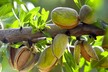
Nuts2 BV/Global Trading & Agency's Kees Blokland also sees a role for nuts as a meat substitute. "Nuts have the same nutrients as meat and can help compensate for future shortages. Cashew trees, for example, require little water and grow even in dry areas," he explains.
Supply is growing in tandem with demand. According to the International Nut & Dried Fruit Council, global nut production has increased from two million tons in 2004 to 5.4 million tons in 2025, with consumption standing at 5.5 million tons. That indicates nuts are reaching the market, and Kees expects that balance to remain unchanged until 2030. In Europe and the USA, annual growth should remain stable at three to five percent, while Asia and India are showing double-digit growth rates.
Trade tariffs, though, pose a challenge. Barbara: "After FRUCOM lobbying, the European proposals for nuts and dried fruit seem positive, but the European Parliament has yet to vote on that." Kees notes that tariffs, combined with the economic situation, affect imports; in the United States, cashew imports are down 25% this year as consumers prioritize basic needs.
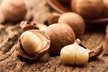
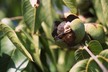
The climate and natural products play a role, too. Poor or disappointing harvests, like Turkish apricots, affect availability and prices. Plus, stricter European Union requirements and supermarkets present challenges for, say, natural substances such as nickel in pecans. Thanks to the efforts of the NZV and FRUCOM, the European Commission wants to raise that maximum limit from 3.5 to 10 mg/kg.
 © Dreamstime
That means the focus is shifting to quality. "Buyers determine volume and price, but quality departments now have more input regarding color, size, and other traits that vary from harvest to harvest," says Eelco.
Kees, nonetheless, considers these positive developments. "Nuts are natural products; they grow on trees and bushes, and help decrease CO₂ emissions. Also, traceability and responsible use of crop protection are improving. Combined with fair prices and rising demand from developing economies, nuts and exotic fruits have a bright future," he concludes. (MW)
For more information:
Nederlandse Zuidvruchten Vereniging
Louis Pasteurlaan 6
2719 EE ZOETERMEER
Tel: +31 (0) 79 368 11 98
[email protected]
www.zuidvruchten.nl