Erratic rainfall has affected mango yields in several parts of India in recent years, according to Minister of State for Agriculture and Farmers Welfare Bhagirath Choudhary, responding to a query during the Winter Session of Parliament. Regions cited include Uttar Pradesh, Telangana, Tamil Nadu, and Bihar, where changing rainfall patterns have led to infestation, premature fruit drop, and weak flowering, contributing to lower production.
"The extent of damage varied across regions depending on the severity, timing, and duration of rainfall as well as the variety affected and impact of unseasonal and early rainfall," the minister said.
Mango remains a central crop within India's horticultural sector. The country is the world's largest mango producer, accounting for more than 50% of global output. According to the Ministry of Agriculture and Farmers Welfare data, India produced 223.98 lakh metric tons in the 2023-2024 season. While around 1,000 mango varieties exist, about 30 are cultivated on a commercial scale. Uttar Pradesh accounted for 26.74% of national production in 2023-2024, followed by Andhra Pradesh, Bihar, Karnataka, Telangana, and West Bengal.
India is also active in export markets. In 2023-2024, mango exports reached 32,104.09 metric tons with a value of US$60 million, compared with 22,963.78 metric tons valued at US$48.53 million in 2022-2023. Key destinations included the United Arab Emirates, the United Kingdom, the United States, Kuwait, and Qatar. Continued yield pressure linked to rainfall variability could affect export availability.
Mango is grown in both tropical and subtropical regions, from sea level up to 1,500 metres. The crop requires rainfall during the growing phase from June to October, followed by dry conditions from November onwards. Rainfall or cloud cover during the flowering period from November to March can disrupt pollination, reducing fruit set. Wet and humid conditions also support the spread of diseases such as anthracnose and powdery mildew, which affect flowers, leaves, and developing fruit.
Data presented to Parliament show that unseasonal rainfall, thunderstorms, and early monsoons cause annual mango losses of between 10% and 25%. At research centres under the All India Coordinated Research Project, impacts varied by location. In Tripura, losses of 10% to 20% were recorded between 2021 and 2025. In Periyakulam, Tamil Nadu, yield losses ranged from 32% to 35% in 2023, rising to 75% to 80% in 2024 and 46% to 55% in 2025 due to flower drop and disease pressure.
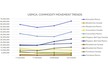
National mango productivity has remained largely flat in recent years, standing at 9.3 tons per hectare in both 2018-2019 and 2023-2024, following declines in the intervening seasons.
Source: The Indian Express