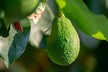
Malaysia's durian sector is being encouraged to strengthen protection of its varieties through local and international intellectual property registration, as questions grow around origin, naming rights, and overseas use. The Malaysian Intellectual Property Corporation (MyIPO) and intellectual property specialists say existing tools, such as Geographical Indication registration, can help address these issues, but wider uptake and foreign filings are still limited.
MyIPO director-general Yusnieza Syarmila Yusoff said more farmer groups, producers, and state agencies should consider registering unique, region-linked durian varieties under the Geographical Indication framework. A GI identifies products as originating from a specific location, where quality, reputation, or characteristics are linked to that origin. In Malaysia, eligible producers, associations, or authorities can file applications with MyIPO.
"GI registrations ensure that only producers within the designated geographical areas who meet the required specifications may use these names, thereby preventing parties outside the region from exploiting or misrepresenting these well-known Malaysian durian varieties," she said. "GI protection enables genuine producers to enjoy stronger branding and premium market pricing because consumers recognise the authenticity and unique qualities linked to the specific geographical origin."
To date, four durian varieties have been registered with MyIPO: Musang King, Black Thorn, Durian Balik Pulau (Penang), and Durian Nyekak Sarawak. These are part of a total of 128 GI-registered products in Malaysia. While these registrations provide domestic legal protection under the Geographical Indications Act 2022, MyIPO confirmed that international protection requires separate registration in each foreign jurisdiction.
"While Malaysia recognises and protects the registered durians domestically, they have not yet registered in foreign jurisdictions," Yusnieza said, adding that MyIPO is working with ministries and authorities to explore options for overseas protection.
An intellectual property lawyer noted that international enforcement depends on extending rights beyond Malaysia. Bar Council intellectual property committee co-deputy chairperson Foong Cheng Leong said producers must file GI or related IP rights country by country through designated authorities. "Any registered rights will need to be extended outside of Malaysia," he said.
Globally, GI frameworks are commonly used for products such as Darjeeling tea and feta cheese. Foong also said durian identities can be protected through brand registrations and licensing, separate from GI status.
Debate around durian identity has intensified following proposals to recognise durian as Malaysia's national fruit, a move that has drawn reaction from Indonesia. Foong said national fruit declarations carry no exclusivity.
Industry representatives said discussions on overseas protection are ongoing. Durian Manufacturers Association president Eric Chan said the association is "definitely able" to file registrations, while treasurer Dr Tan Sue Yee said efforts are continuing in coordination with government authorities.
Source: Asia News Network