Belarus plans to use imported apples to compensate for a smaller domestic harvest when forming its state produce reserves. This follows a new government resolution that updates the rules for supplying fruit and vegetables from stabilization funds under the state order.
The document clarifies how prices must be set for potatoes, cabbage, onions, carrots, beetroot, and apples delivered to retail chains from these reserves. It also specifies which costs non-producing suppliers may include when pricing produce delivered to procurement organizations. These include purchase price, packaging, storage, transport, taxes, and other mandatory payments, with maximum profitability capped at 10%. Packaging costs may cover materials, labor, and equipment depreciation. All final prices must remain within limits set by the Ministry of Agriculture and Food.
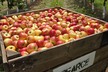
A key update concerns the formation of apple reserves. Regional authorities will now be allowed to fill shortages with imported apples if local production is insufficient. They will choose procurement companies responsible for sourcing the missing volumes, coordinating import needs with them in advance. These companies may additionally include up to 10% of the retail price to cover storage costs in specialized facilities, provided the price stays within limits set by the Ministry of Antimonopoly Regulation and Trade.
The government has also revised the volumes of produce to be supplied from stabilization funds for the 2025/2026 off-season period. The amendments, adopted on December 3, 2025, took effect on December 6.
Source: neg.by