Through week 47, Chile exported 3,403 tons of blueberries, 34 per cent more than in the 2024/25 season and equal to 3.7 per cent of the projected total. The increase reflects an earlier harvest and decisions aimed at accessing markets currently driving demand.
 © Blueberries Consulting
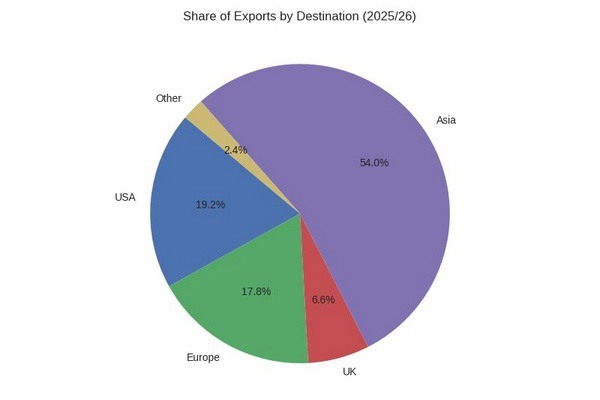
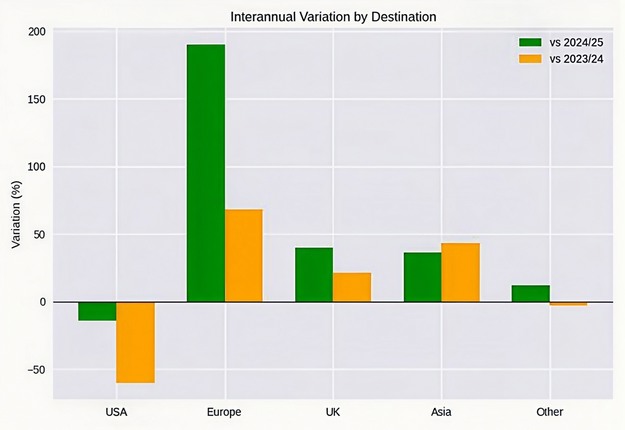
Asia has become the main destination for Chilean blueberries. Shipments to the region reached 1,838 tons, equal to 54 per cent of total exports. South Korea accounted for 1,632 tons, or 48 per cent of the national volume, with year-on-year growth of 36 per cent and 43 per cent compared with 2023/24.
 © Blueberries Consulting
Exports to the United States totaled 653 tons, equal to 19 per cent of the total, marking a 14 per cent decline from last season and 60 per cent less than in 2023/24. Continental Europe showed a recovery with 606 tons, an increase of 190 per cent, while the United Kingdom reached 226 tons, up 40 per cent. Other destinations accounted for 81 tons, an increase of 12 per cent.
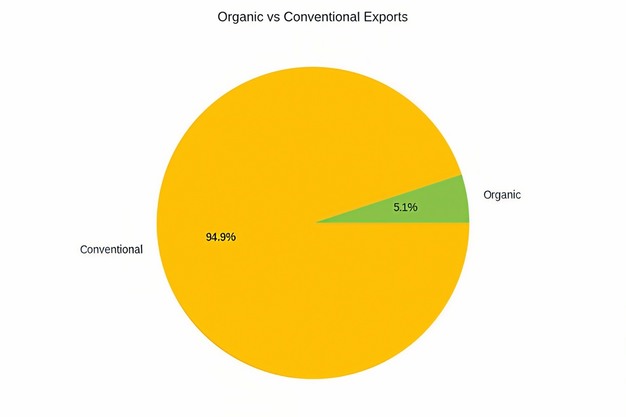
Organic blueberries maintained a stable share. Shipments reached 172 tons, or 5 per cent of total volume, in line with previous seasons. Organic programs remain oriented toward North America and Europe.
 © Blueberries Consulting
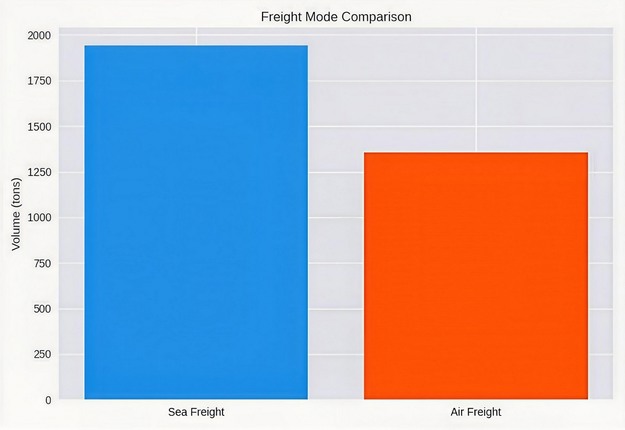
Export logistics continue to affect market access. Sea freight reached 1,942 tons, up 26 per cent, while air freight totaled 1,356 tons, up 41 per cent. The higher use of air transport reflects efforts to supply Asia and the United States with firm fruit during key weeks before Christmas.
Varietal replacement remains a core component of the 2025/26 season. Suzie Blue represents 33 per cent of the marketed volume, followed by Magnífica at 12 per cent and Duke at 10 per cent. These varieties are selected for size, firmness, and post-harvest performance, attributes required for long-distance shipments.
 © Blueberries Consulting
The season reflects earlier phenology, increased exposure to Asia, diversification in Europe, and greater reliance on air logistics. With a target of 91,477 tons, Chilean blueberry exporters are adapting supply toward markets with stronger returns while maintaining consistency and meeting retail specifications.
Source: Blueberries Consulting