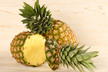
Brazilian Vice President Geraldo Alckmin said that Brazilian fruit exports to the United States, including mangos and pineapples, will continue to face a 40 per cent tariff even after President Donald Trump removed some import taxes on Friday.
Trump's earlier tariff package, introduced in April, known as "Liberation Day," had added 10 per cent duties to Brazilian goods. In July, the U.S. applied an additional 40 per cent tariff on Brazil, citing political concerns related to the trial of former President Jair Bolsonaro. That extra tariff remains in place for tropical fruits.
Alckmin noted that some fruit products, such as orange juice, now enter the U.S. with a zero tariff because they were not included in the extra 40 per cent. However, he said that the 40 per cent charge remains a "distortion that needs to be corrected." According to Alckmin, "Everyone got 10% less, but in Brazil's case, which had 50%, we ended up with 40%, which is very high."
He said the latest U.S. decision increases the share of Brazilian goods entering the U.S. without additional tariffs from 23 per cent to 26 per cent, but tropical fruit exporters still face elevated costs.
The July tariff increase, which affected Brazil's fruit shipments among other products, contributed to strained U.S.–Brazil relations. Relations have since improved following meetings between Brazilian President Luiz Inácio Lula da Silva and Trump in Malaysia, and later between U.S. Secretary of State Marco Rubio and Brazil's Foreign Minister Mauro Vieira.
The U.S. government has argued that its tariffs supported government revenue and did not drive higher U.S. grocery prices. Critics in the U.S. have linked the tariffs to rising food costs, including fruit and beef. Tropical fruits from Brazil have been part of that discussion due to the added 40 per cent duty.
Brazilian fruit exporters continue to monitor the situation. The Brazilian Association of the Coffee Industry, speaking more broadly on export conditions, stated that it would "keep working to ensure legal certainty, competitiveness, and predictability," reflecting ongoing concern across agricultural sectors about tariff stability.
For now, Brazil's exporters of mangos, pineapples, and other tropical fruits remain subject to the 40 per cent U.S. tariff while trade discussions between the two countries continue.
Source: Deccan Chronicle