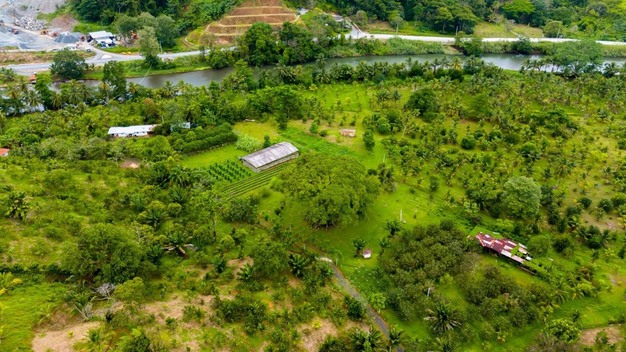
Rio Piedra Farm, located in Panama's tropical region, is working to produce coconuts and green coconuts for the local and European markets. Currently, the farm has over 80 hectares of coconuts and plans to expand its area to 300 hectares in the coming years.
 © Río Piedra Farm
The plantation entered its productive phase this year, which brings unique traits to the final product. "The water from young coconut trees tends to be sweeter and to have an interesting electrolyte composition for consumption," explain Antonio and Stefany, project representatives. Currently, the company has the capacity to ship one container per month, a number expected to gradually increase as the plantations mature.
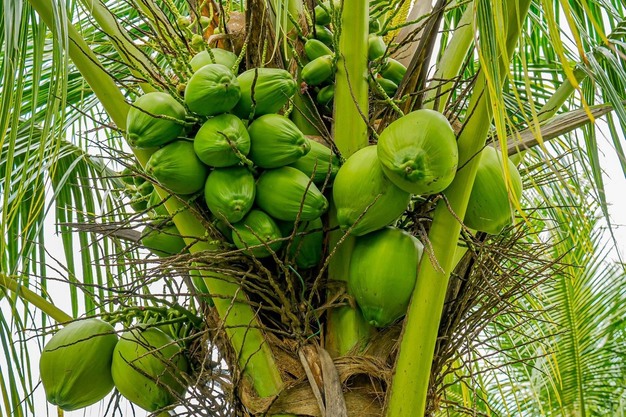
"The farm primarily cultivates two varieties: The traditional coconut, used for food, cosmetics, and oil extraction, and the Brazilian dwarf palm, mainly harvested for coconut water. The coconut water, in particular, attracts significant interest in the European market, especially in the United Kingdom, Poland, and Spain, where demand for direct consumption and derived products remains steady," they stated.
 © Río Piedra Farm
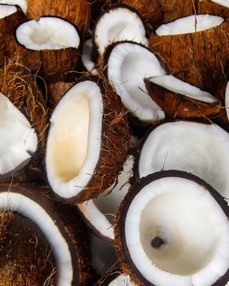
"The coconuts are packaged either in boxes of ten or in nets, depending on customer requirements. Aside from the fresh market, coconut is also used in other sectors such as desserts and plant-based foods," they stated.
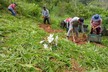
A major feature of the project is its agrotourism aspect, which allows visitors and industry professionals to see the production process firsthand. "The farm includes trails, recreational zones, plots with more than 30 fruit tree varieties, and areas for training sessions, fostering the sharing of knowledge and experiences related to agriculture," they added.
 © Río Piedra Farm
Agronomic management depends on eco-friendly practices, such as organic fertilizers and biological controls, while avoiding products with a high toxicological load. "Part of the land is also set aside for biodiversity conservation, with areas reserved for feeding wild birds. This approach seeks to integrate agricultural production with circular economy and ecological conservation principles," they added.
Environmental commitment is a key pillar. "Although we are not yet certified organic, our agricultural practices involve the use of biological controllers and organic fertilizers, avoiding toxic chemicals. Additionally, certain areas are designated solely for bird feeding, promoting biodiversity and fostering an integrated ecosystem. This strategy aligns with a circular economy model where conservation and agricultural activities are balanced," they concluded.
For more information:
Stefanny Ortiz
Rio Piedra Farm
Panama
Tel: +507 6892 6527
Email: [email protected]
www.riopiedrafarm.com