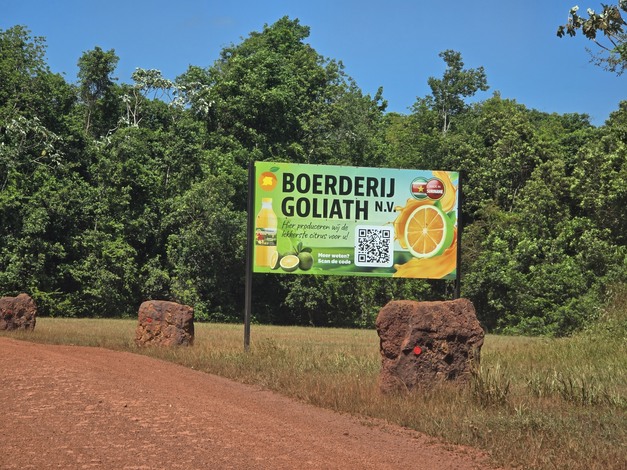
"Green oranges? That's normal here," they say at Boerderij Goliath, where they understand exactly how Suriname's tropical climate affects citrus cultivation. The farm and plantation, established in 2010, have grown into a major player in Suriname's fruit sector today.
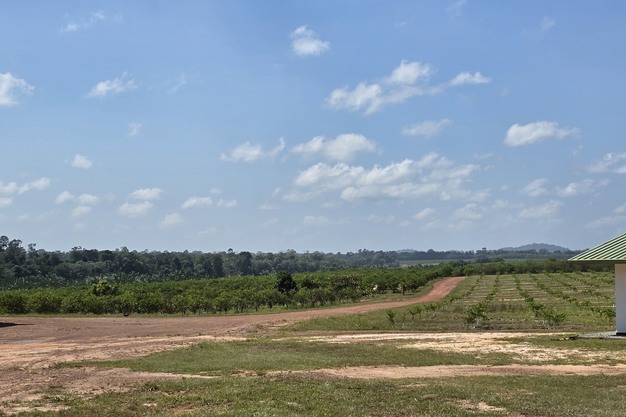 © Pieter Boekhout | FreshPlaza.com350 hectares of oranges and other fruit
Fifteen years ago, a plot of state-issued agricultural land was planted with orange trees of the Pera Rio variety, a Brazilian juice orange with a 53% juice content. "To avoid reinventing the wheel, we decided from the start to replicate the northern Brazilian cultivation model. Sunshine hours, soil composition, rainfall, everything there is comparable to Suriname." And, as in northern Brazil, the oranges remain green, since turning orange requires a temperature difference of at least 14 degrees between day and night. "But they taste just as good."
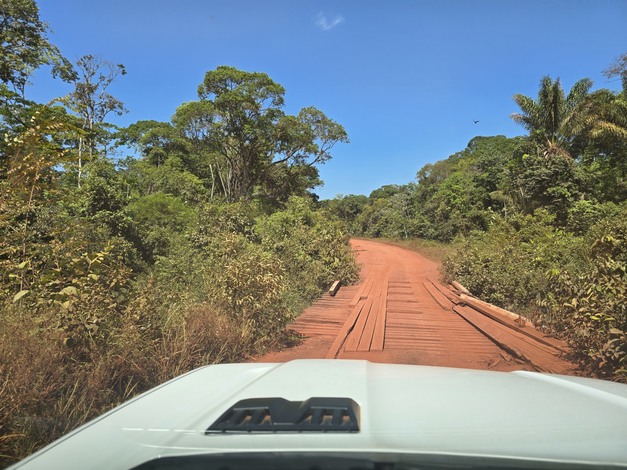 © Pieter Boekhout | FreshPlaza.comPlantation is in the middle of the jungle, 110 km from Paramaribo
Oranges, limes, and tangerines
Oranges account for 90% of Boerderij Goliath's citrus production. Limes and Ponkan mandarins are also grown. Diversification is on the agenda: new orange and tangerine varieties are being introduced. But fruit growing requires patience. "From seed to plantable material takes 18 months, and then another three years before the tree becomes productive. You're five years down the line before you see results from today's decisions."
 © Pieter Boekhout | FreshPlaza.com
Strong local market
Ninety percent of citrus is currently sold locally. "Citrus prices in Suriname are quite good, and there's hardly any competition here." Still, the company is looking beyond national borders: 10% of the crop is exported to the Caribbean. Thanks to Caricom membership, Surinamese exporters pay no import duties in the Caribbean, an advantage over Brazil, the regional citrus powerhouse, lacks, facing a 40% tariff.
 © Pieter Boekhout | FreshPlaza.com
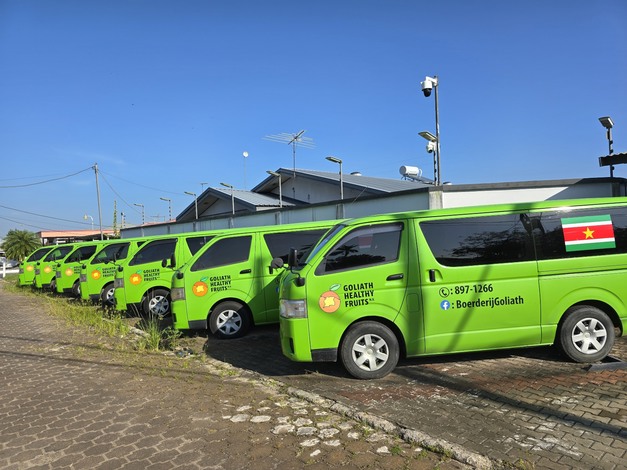
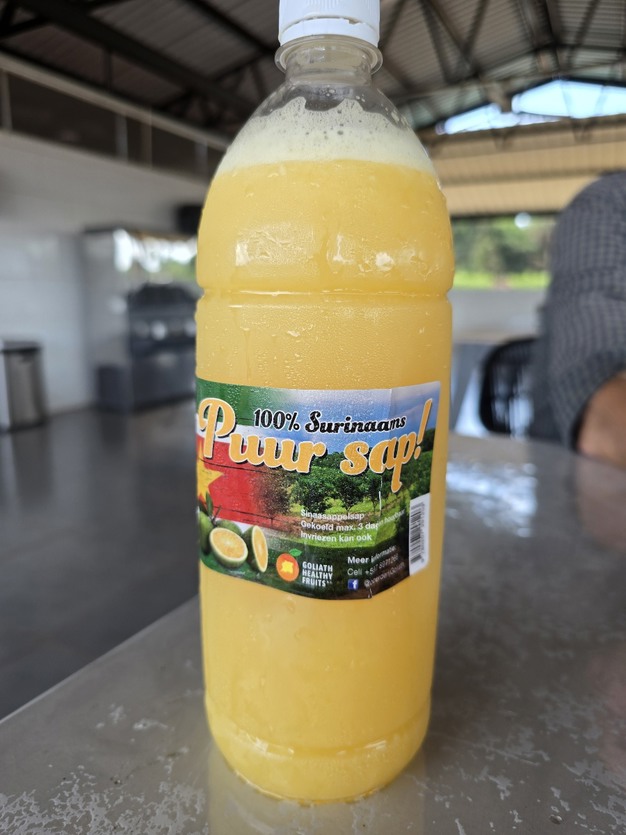
Ninety is also the percentage of citrus currently sold in the local market. Goliath has a dozen vans equipped with sappers. From there, they offer fresh juice at strategic points around the city.
"We are even one of the few citrus growers within Caricom," he says proudly. Europe, however, is not a target market. "Prices there are too low, and they require table oranges. Our fruit is green and meant for juicing."
 © Pieter Boekhout | FreshPlaza.com
Fish and chickens
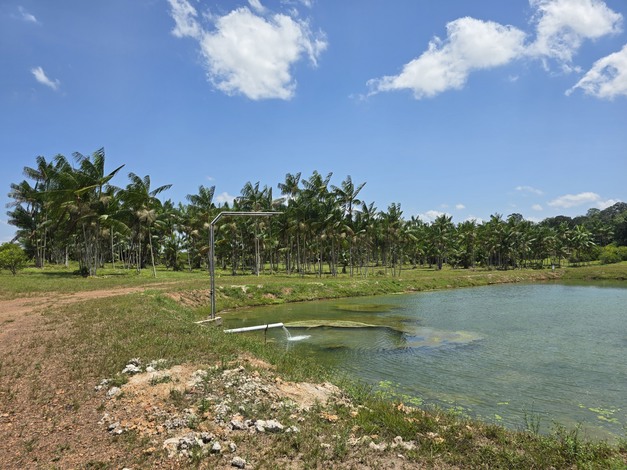
At present, 325 hectares are planted with citrus trees, with expansion plans up to 500 hectares. That means controlled clearing of land. "We deliberately leave sections of forest intact. Drones and laser technology are used to assess the soil to determine where clearing makes sense and where it doesn't. Cutting down marshland has no value." Twelve fish ponds have been created on previously, and mistakenly, cleared marshland. The fish not only provide an additional source of income but also fit into the farm's sustainable ecosystem. "When you clean the pond bottom, you get perfect manure for the trees," says Dr. K.
 © Pieter Boekhout | FreshPlaza.com
Twelve fish ponds have now been created on previously reclaimed marshland. The fish are not only an additional source of income, but they also fit into the farm's sustainable ecosystem
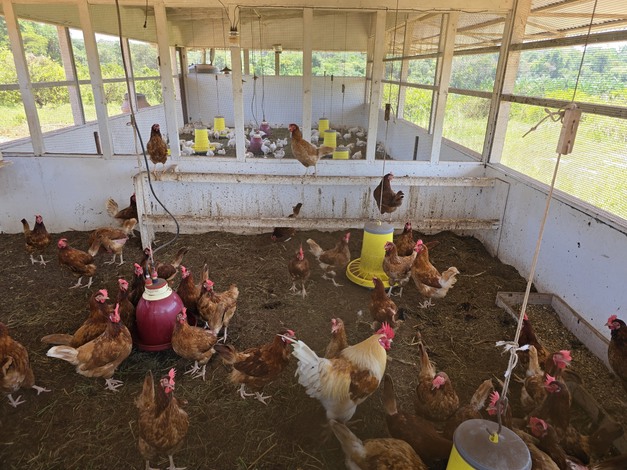
In addition to fish waste, the citrus trees also benefit from chicken manure, which is purchased from local poultry farmers. Sawdust, remnants from an old sawmill, and shredded old citrus trees are also returned to the soil. "Certain areas have poor soil or unsuitable pH levels, so you must focus on soil improvement. However, that's a 10- to 15-year process here."
 © Pieter Boekhout | FreshPlaza.com
On the plantation, all energy is generated by solar panels, no power is supplied from the grid, and abundant irrigation water comes from on-site wells. Growing more sustainably could hardly be easier. Most workers, who are Brazilian and experienced in citrus cultivation, live on the farm in serviced housing with vegetable gardens and chickens for their own use, and for manure. The difference with Brazil? "In Brazil, harvest crews never see the inside of a packing station. Here, the workers do everything, from pruning branches and picking limes to filling boxes and even catching fish. They love it."
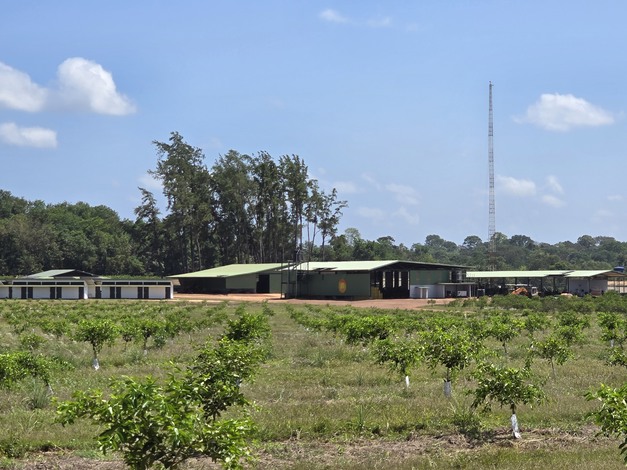 © Pieter Boekhout | FreshPlaza.comSurrounding the packing station are modern flat blocks where staff reside
Mangoes and avocados
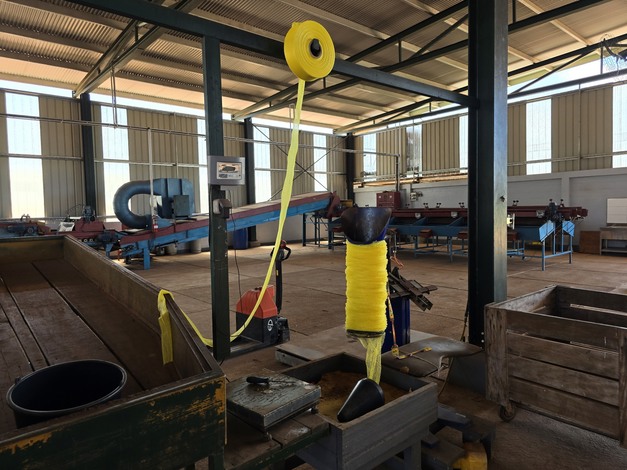
When all 100,000 trees are in full production, each yielding about 40 kilos of fruit, Boerderij Goliath expects to produce 4,000 tonnes of citrus annually, half of which will be exported to the Caribbean. The logistics are already in place, the packing station is operational, and the first shipments of combined orange and lime cargoes to the Caribbean have already been made. "A full container of limes is rarely possible, the harvest isn't continuous, and the market isn't large enough, but we can always fill a mixed container."
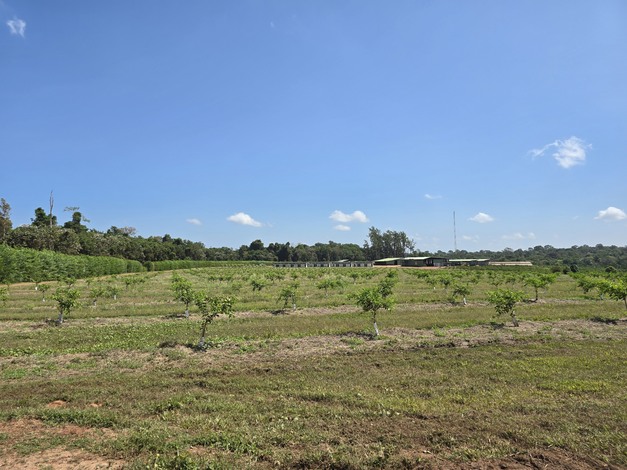 © Pieter Boekhout | FreshPlaza.comYoung plantings
Boerderij Goliath is also looking further ahead. It has already planted 1,000 mango trees, which will begin producing in three years. "Mango is an easy crop, and it sells well at our roadside stalls. If it takes off, expansion will follow." Avocados are also on the wish list. "There's plenty of water, and definitely a market for it."
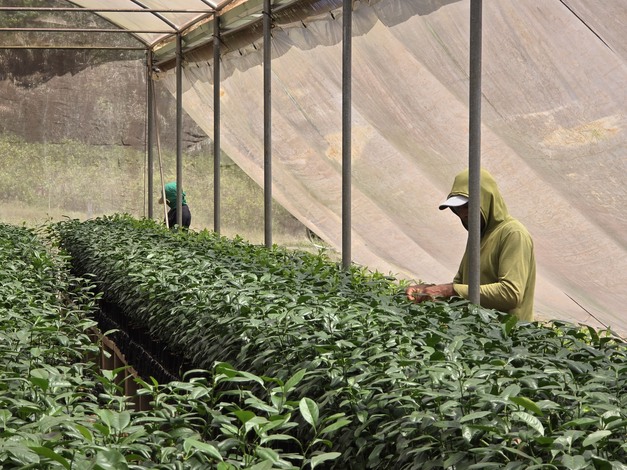 © Pieter Boekhout | FreshPlaza.comPropagating own orange trees
The future looks bright for Boerderij Goliath. "People are becoming more health-conscious. And if oil production really takes off in 2028, people will have more to spend here. That will benefit our sales as well."
 © Pieter Boekhout | FreshPlaza.com
The packing station
For more information:
Boerderij Goliath
Bigi Poika (Suriname)
Tel: +597 7260542
[email protected]
www.boerderijgoliath.com