Apples from Afghanistan have traditionally maintained a supply of affordable imported fruit to India. This season, however, was hit by severe disruption as the Afghanistan-Pakistan border crossings remain closed, says Abdul Hadi, Managing Partner at fresh produce importer DFC Global. "Afghanistan's exports to India typically pass through two major border points between Afghanistan and Pakistan, and both are currently closed. On the Indian side, the Wagah border serves as a gateway for Afghan apples to enter India, but it remains closed, too. So while exports have not entirely come to a halt, overland trade routes are effectively blocked."
 © DFC Global
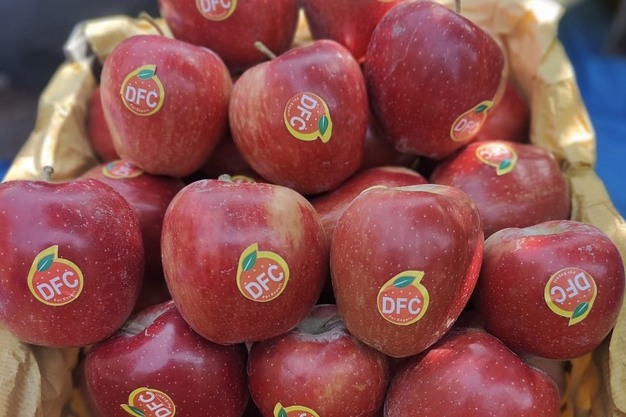
Afghan apple volumes have grown this year, with growers estimating a 30% growth in yields compared to the previous season, says Hadi. "The harvest begins with Gala apples in August and moves to Red Delicious by mid to late September. Fresh apples are packed and exported until the end of October, followed by cold storage apple distribution between November and January. However, the current logistics bottlenecks are disrupting this schedule."
According to Hadi, exporters have been forced to take longer and costlier sea routes, with impacts seen on transit time, freight costs, fruit pricing, and availability in the Indian market. "Exporters are relying on sea routes through Iranian ports like Chabahar and Bandar Abbas, as well as UAE ports such as Jebel Ali and Sharjah. As a result, transit time has jumped from roughly eight days by land to twenty-two days by sea, tying up cash flow and raising landed costs by an average of USD 1.7 to 2.3 per 10 kilograms."
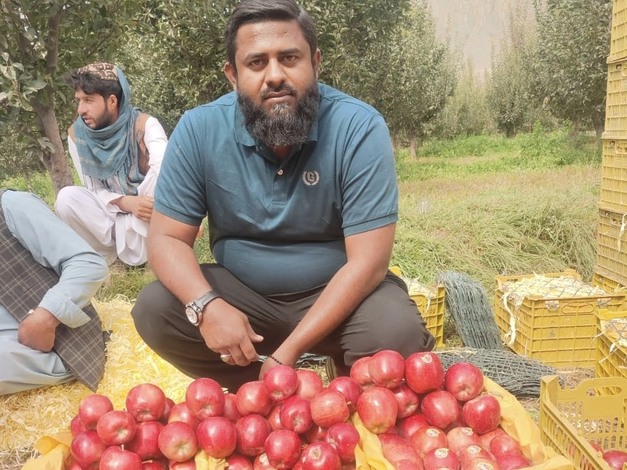
Despite the challenges, Hadi highlights that Afghan apples still have a price advantage over Iranian apples, especially as the costs of importing Iranian apples have surged recently due to currency devaluation. He adds, "Afghan apples are landing in Mumbai this year via sea at nearly the same price as last year, with distribution shifting from Delhi to Mumbai, making it the main centre for supplies to South India."
 © DFC Global
"Meanwhile, Kashmir's apples will serve North India and fill the gap caused by the border closures. The new market dynamics present an opportunity for Afghan apples to meet demand in southern markets, which are currently cut off from traditional North India supplies." Hadi admits that overall performance will ultimately depend on how the local market conditions evolve in South India.
Internationally, other existing markets like the UAE, Saudi Arabia, and Uzbekistan are gaining attention. "Nevertheless, India remains a crucial market for Afghan exporters. Indian importers looking to source Afghan apples this season must have logistics and financial plans firmly in place to handle delays and increased costs. Early preparation is essential," Hadi concludes.
For more information:
Abdul Hadi
DFC Global
Tel: +91 80 56 805 889
Email: [email protected]
www.dfcglobal.co.in