As the demand for healthy, natural foods continues to rise across Europe, Turkish figs and pomegranates are experiencing something of a golden era. At the heart of this growth is Noada Holding, led by Cem Varnatopu, a Dutch-based trader who has become one of the continent's most influential figures in these two strategic products.
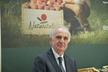
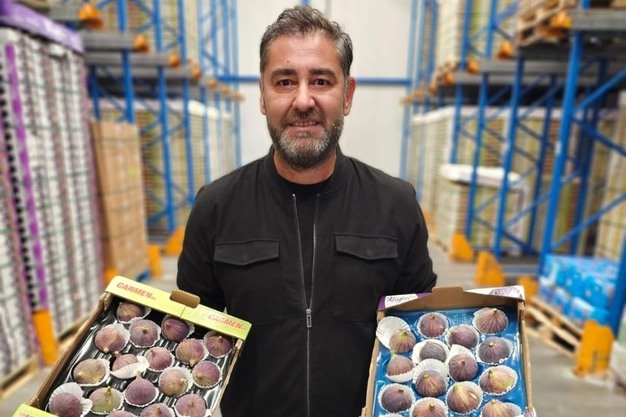 © Noada HoldingCem Varnatopu
Founded in 2020, Noada Holding has quickly carved out a strong position in Europe, focusing primarily on Turkish figs and pomegranates. Varnatopu, whose daughters' names – Noa and Ada — inspired the name of the company, explains that the firm acts as a sales office for some of Turkey's largest suppliers. "We are working with the biggest supplier in Turkey. They supply the largest retail chains in Europe directly, but for Noada, I manage transparency, pricing, and distribution for European markets. We handle everything from A to Z", he says.
Noada's focus is clear: figs and pomegranates are the most strategic products for Varnatopu. "These are the biggest Turkish products for retail in Europe. There is no competition in the season. We manage large volumes, and we control the pricing in the market through transparency and information sharing."
 © Noada Holding
The Turkish Fig Market
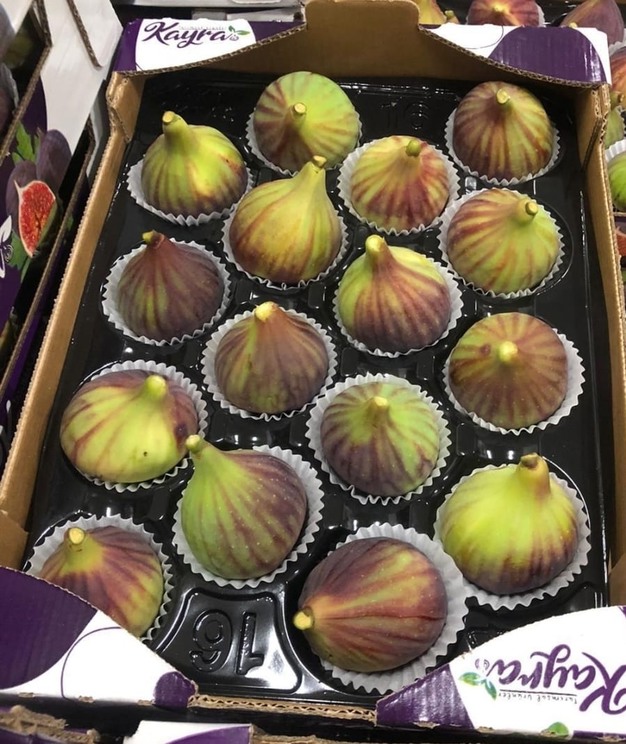
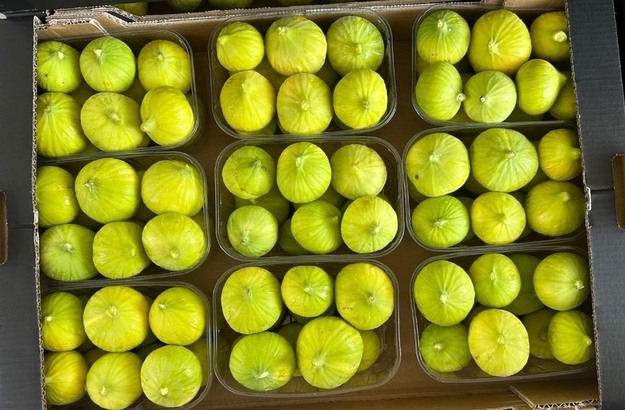
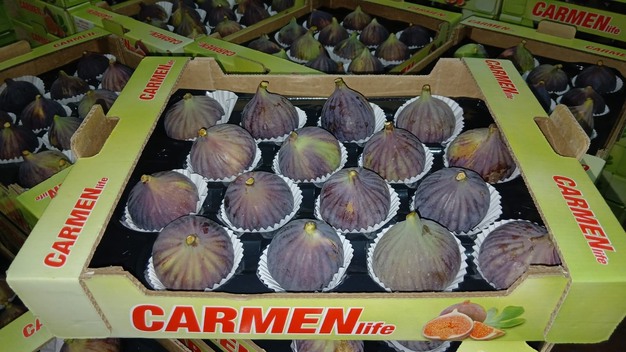
Noada sources its figs from two primary Turkish regions: Aydın and Bursa. The Aydın region provides early-season figs, particularly yellow figs known as Sarı Lop. "Aydın figs come first, starting early July. They are slightly less sweet compared to Bursa figs, but the quality is still very good," says Varnatopu. Bursa, on the other hand, produces the famed black figs that dominate exports later in the season. These figs are noted for their rich sugar content, deep color, and consistent taste.
"Bursa figs have the best sugar rate and color, but at the moment, the prices of Bursa figs are somewhat lower because their production is higher, but the quality is excellent. For Aydın figs, prices are higher due to smaller volumes and strong demand, even if the fruit is slightly less sweet," he explains. Varnatopu emphasizes that his role is not only in sales but also in providing accurate market information to ensure price stability across Europe.
Interestingly, the increasing European demand is driven not just by taste but also by lifestyle trends. "People want healthier products. Turkish figs are becoming more and more popular because they are known for their natural sweetness and excellent nutritional value," he notes. Social media also plays a role in boosting awareness. "Some of our retail customers even promote our products on platforms like TikTok. It's amazing how this reaches more consumers and creates more demand."
 © Noada Holding
Market Trends and Growth
The Netherlands and the UK are Noada's key growth markets, along with Scandinavia. In the Netherlands alone, Varnatopu estimates sales have increased by at least 20% compared to last year. Western Europe shows strong growth, while Eastern Europe remains limited due to the higher prices of Turkish figs.
Retail remains the primary channel, although wholesale and foodservice are also significant. "Wholesale is doing well, especially for large black figs. Restaurants and catering companies are increasing their orders. Even if we don't supply them directly, we can see the growth through the sales reports of our retail clients," he says.
Packaging innovations have also helped. Different markets require tailored presentations: from 500-gram packs for Switzerland to special boxes for Asian markets like Hong Kong, Singapore, and Malaysia. "We respond to the demands of our customers. If they need a specific pack size or style, we can arrange it with our Turkish suppliers. That's part of our programmatic approach to sales," Varnatopu explains.
 © Noada Holding
Logistics and Shelf Life
Figs are notoriously delicate, making transport and storage a critical aspect of the trade. Noada relies on professional logistics partners, particularly FreshGard in Barendrecht, using cold storage and palletized handling to maintain quality. "We bring the figs directly from Turkey, unload immediately, and sell pallet by pallet. Shelf life is managed very professionally by our suppliers in Turkey, with ongoing research and development to extend freshness," he says.
Despite these challenges, or perhaps one should say because of the way Noada and its partners are facing these difficulties, Varnatopu remains confident in Turkish figs' competitiveness. "Even if other countries like Peru produce figs, the quality and sugar content of Turkish figs cannot be matched. Retailers prefer Turkish figs because of their natural sweetness and consistency."
Pricing and Competition
Prices fluctuate throughout the season. Early-season Aydın figs are higher in price due to limited supply, while Bursa figs are slightly cheaper but of superior quality. But Varnatopu predicts that towards the end of September, prices will rise again as the overall worldwide production of figs decreases. "Other competitors' quality will drop, but we can maintain excellent standards. That's why the market favors Turkish figs," he explains.
 © Noada Holding
Long-term contracts exist between Turkish suppliers and major retailers, but Noada's role often involves short-term, flexible agreements. "We respond to requests from clients for specific volumes and prices for a few weeks. This flexibility allows us to provide good service and maintain our strong market position."
Beyond Figs: Pomegranates and Exotic Imports
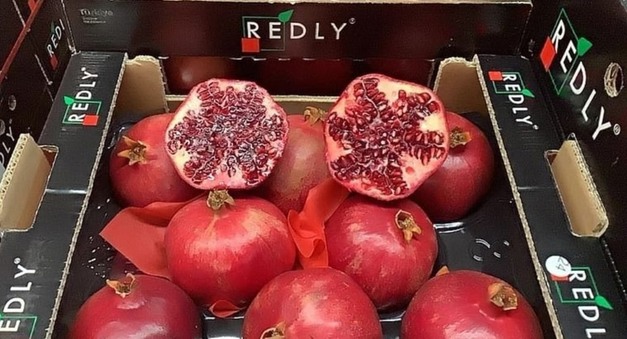
While figs are the cornerstone of Noada's operations, pomegranates hold equal strategic importance. "The story is the same with pomegranates. We manage large volumes, control pricing, and supply to all of Europe," says Varnatopu.
Apart from figs and pomegranates, Noada also imports other exotic products from Turkey. But the company's exploits don't end there: it also exports avocados, blueberries, limes, mangoes, and coconuts from the Netherlands to Turkey, supplying Turkish retail chains. "Holland is a wonderful country for this kind of business. I have learned a lot from Dutch companies and I regularly try to emulate their mentality—organization, reliability, and efficiency," he reflects.
Looking Ahead
Varnatopu is very optimistic about the future of the Turkish fig market. "I foresee continuous growth. Quality will improve with new technologies, ensuring even better shelf life, and consumer demand for healthy, natural products will keep increasing. I'm confident that Turkish figs will increasingly become a mainstream fruit, just like avocados and blueberries."
He concludes with a personal note. "I love figs and pomegranates. I love eating these products, and I love trading in them. It's more than just the most strategic Turkish products in Europe, and I find it very rewarding to see European consumers embrace them."

For more information:
Cem Varnatopu
Noada Holding
[email protected]