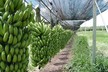
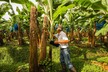
The Australian banana industry is voicing concern over a new review process to consider market access for bananas from the Philippines. The Philippine government has formally requested an update to biosecurity protocols, which Australia is required to assess under international trade obligations.
Leon Collins, Chair of the Australian Banana Growers Council, said that allowing imports could put the domestic industry, valued at around US$850 million, at risk. "We grow enough bananas in Australia to supply our own markets," he said. "We've got one of the greatest biosecurity records in the world here in Australia, and there's no other country in the world that can match us on those biosecurity items."
Collins added that past assessments identified diseases such as Moko, black Sigatoka, and banana freckle as reasons to restrict trade. Australia is the only country to have eradicated black Sigatoka in 2005.
There are more than 500 banana growers in Australia, with 94% of production located in Far North Queensland. The sector employs more than 18,000 people and contributes an estimated US$850 million to the national economy.
The new request from the Philippines includes an additional Cavendish cultivar and a new export province not considered in the 2008 import risk analysis. Officials from the Federal Department of Agriculture, Fisheries and Forestry will conduct a new assessment and consult with growers in Far North Queensland.
In parliament, Treasurer Jim Chalmers confirmed there was no pre-determined outcome to the review. "On the 16th of September, the department advised it's undertaking a science and evidence-based assessment of a request from the Philippines. It's important to note that this notification doesn't signal that trade will commence or is imminent. As the prime minister, the minister for agriculture, and other senior members of the government have said, "We won't compromise on biosecurity, and our enviable biosecurity status is not up for negotiation."
Northern Australia and Resources Opposition spokesperson Senator Susan McDonald also raised concerns about the review. She highlighted the regulatory requirements Australian growers must comply with, including reef and vegetation management, quality assurance, chemical management, industrial relations conditions, and anti-slavery provisions. "It's unreasonable that our Australian government would demand our farmers meet these high standards, and consider imports of products from nations that do not meet the same standards," McDonald said.
She added that diseases present in Asia remain a biosecurity threat. "The Australian banana industry has achieved world-leading biosecurity outcomes, eradicating diseases other nations have never managed to control," she said.
McDonald stated she would seek clarification on how officials plan to maintain biosecurity and food-safety standards. "Australian bananas are available year-round, they are affordable, healthy, and safe. We cannot risk all that for the sake of process. We know that once plant and animal diseases enter Australia, it is virtually impossible to get rid of them," she said.